
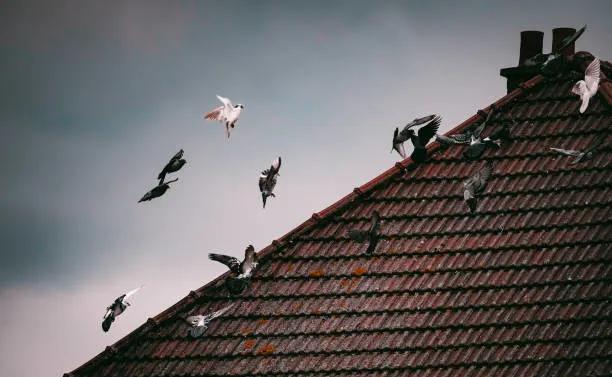
Birds can become a problem when they nest, roost, or gather around your property. Droppings can cover outdoor areas, while nests may block vents or create roof concerns. Simply chasing birds away often works for a short time. A better approach looks at why they stay and removes the conditions that keep bringing them back.
If you search for how to exterminate birds, the safer goal is usually different. Humane bird removal focuses on moving unwanted birds away without harming them. It also helps prevent repeat nesting around roofs, gutters, vents, and solar equipment. The right plan can combine simple deterrents, physical barriers, careful cleaning, and professional help when access or nesting makes DIY work unsafe.
Identify Why Birds Keep Choosing Your Property

Birds usually stay where they can find food, water, shelter, or nesting space. Start by checking the areas around your home for these attractions. Look at rubbish bins, bird feeders, pet food, standing water, and outdoor food scraps. Then inspect roof gaps, gutters, eaves, vents, ledges, and other sheltered spaces where birds may settle.
The reason birds choose to exterminate one area can vary by species and location. Pigeons may use sheltered ledges, while smaller birds may seek protected nesting spots. Identifying the attraction first can make later control steps more useful. If you only scare birds away without changing the area, they may return once the disturbance stops.
Remove Food and Water Sources That Attract Birds
Food and water can make your property more appealing to remove unwanted birds. Keep rubbish containers closed and clean up spilled food quickly. Store pet food indoors when possible and avoid leaving scraps outside. If you use bird feeders, keep them away from areas where nesting or roosting already causes problems. These simple changes can reduce available food.
Water can also encourage birds to keep visiting. Check bird baths, containers, drains, and other areas where water collects. Removing these sources can support natural bird deterrents and other safe bird control methods. However, removing food and water alone may not solve an established problem. It works best when combined with barriers or other suitable controls.
Use Reflective and Moving Objects to Discourage Birds
Reflective materials and moving objects can make some areas less comfortable for birds. Reflective tape, moving strips, and similar visual devices can interrupt normal landing or roosting patterns. They work without physical contact, which makes them useful when you want a simple deterrent. Place them where birds regularly gather and watch how the birds respond.
A visual device may lose its effect if it stays in one position for too long. Birds can become familiar with objects that never change. Move or reposition visual deterrents when needed. These bird deterrent methods work best as part of a wider plan. If birds have a nesting site, physical exclusion may provide a more lasting solution.
Add Sound and Motion Where Birds Often Gather
Sound and motion can interrupt bird activity in areas where birds gather often. Motion-triggered devices can create a sudden change when birds approach. Some sound-based devices may also discourage roosting for a period. The goal is to make the area less appealing without causing physical harm or creating unsafe conditions around your home.
Constant sound can become less useful when birds become accustomed to it. It can also disturb people nearby if used without care. For that reason, sound works better as one part of a broader control plan. Pairing motion or sound with physical barriers can reduce repeat visits more effectively than relying on noise alone.
Block Roof Gaps Before Birds Can Build Nests
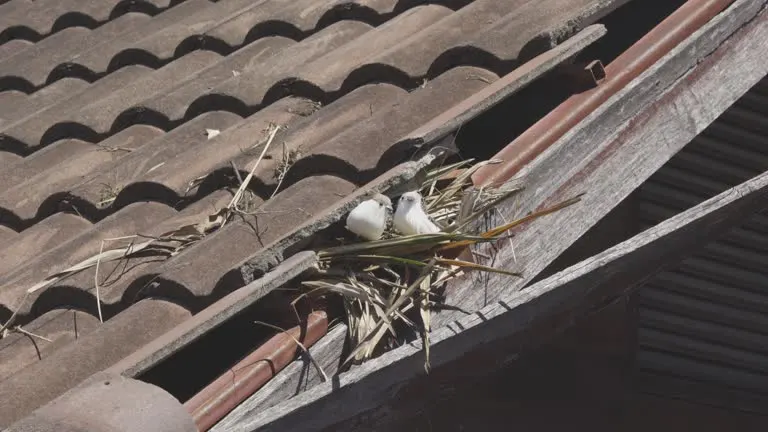
Birds can return repeatedly when a roof gap gives them easy shelter. Check openings around eaves, soffits, vents, roof edges, and other protected areas. Suitable mesh or screening can block entry while keeping the structure usable. Before closing any opening, make sure birds are not still inside. Otherwise, exclusion work could trap them within the space.
Bird exclusion techniques can be especially useful when the same entry point causes repeated nesting. This also matters around roof solar maintenance because birds may use nearby roof spaces for shelter. Inspect the area before adding barriers around solar equipment. The barrier should prevent access without touching or damaging the panels, wiring, mounts, or other system parts. Learn more about solar bird protection when birds repeatedly gather around rooftop solar equipment.
Protect Ledges With Bird Spikes and Barrier Systems
Bird spikes can make ledges less suitable for landing and roosting. Other barrier systems can serve a similar purpose when installed in the right location. The correct option depends on the bird species, surface, and space involved. A barrier should prevent access without creating sharp hazards or trapping birds behind the installed material.
Placement matters just as much as the barrier itself. A poorly placed product may leave enough space for birds to continue landing. Before installing anything, check whether birds are using the area for an active nest. Safe bird control methods should solve the access problem while avoiding harm to birds already occupying the space.
Cover Open Areas With Properly Fitted Bird Netting
Bird netting can help protect balconies, roof spaces, and other open areas where birds repeatedly enter. When fitted correctly, it creates a physical boundary that birds cannot easily pass through. This makes netting different from a scare device. Instead of asking birds to leave, it prevents access to the protected area after the problem has been assessed.
The fit needs regular attention. Loose or damaged netting can leave gaps or create risks for birds and other wildlife. Check the edges, attachment points, and overall condition from time to time. If you find trapped wildlife, do not pull or cut the net without knowing what is caught. Proper fitting supports humane bird removal and safer long-term exclusion. Bird netting services can be considered when larger open areas need consistent physical protection.
Make Solar Panels Less Attractive to Nesting Birds

Birds may use the sheltered space beneath roof-mounted solar panels for nesting or resting. This can leave feathers, nesting material, and droppings around the system. Homeowners should avoid placing random objects beneath panels because they may interfere with equipment or create other risks. Bird control around solar equipment needs careful planning and suitable access.
Solar panel safety should remain a priority during any bird control work. Do not move panels, cables, mounts, or electrical parts without suitable knowledge. Photovoltaic panel care also includes keeping the area free from unnecessary debris. If birds repeatedly nest beneath the array, professional help may be more suitable than trying to reach the panels yourself. Solar panel cleaning can also be part of maintaining the area after bird-related debris has been addressed.
Keep Roofs and Solar Areas Clean After Bird Activity
Bird activity can leave droppings, feathers, nesting material, and other debris behind. These materials can create ongoing cleaning and upkeep needs around roofs and solar equipment. Remove debris only when the area can be reached safely. Do not climb onto solar panels or use harsh cleaning methods simply to finish the work faster.
Rooftop panel cleaning can form part of wider solar system upkeep when bird activity affects the area around the panels. A clean surface can also support normal solar panel performance when surface dirt is affecting sunlight access. However, cleaning cannot fix damaged equipment or electrical faults. Treat bird control and solar care as related maintenance tasks rather than one single repair. Regular solar system care can help keep maintenance needs organized after bird activity.
Compare Deterrents With Physical Bird Exclusion Methods
Deterrents make an area less appealing, while exclusion physically blocks birds from reaching it. The right approach depends on where birds gather and why they keep returning. A visual device may suit occasional visits, while an entry barrier may make more sense when birds repeatedly enter the same roof space. Active nesting also requires extra care before any exclusion work begins.
| Approach | Best For | Main Benefit | Key Limitation |
| Visual deterrents | Occasional visits | Simple to install | Birds may adapt. |
| Sound deterrents | Short-term pressure | Can disrupt roosting | May lose impact |
| Bird spikes | Ledges and beams | Stops landing | Needs correct placement |
| Bird netting | Open areas | Blocks physical access | Needs careful fitting |
| Entry exclusion | Nesting or roof gaps | Prevents re-entry | Requires inspection first |
| Professional control | Persistent problems | Tailored solution | Higher upfront cost |
H2 Comparison Takeaway
Bird deterrent methods can help change bird behavior without blocking access. Physical exclusion takes a different approach by stopping birds from reaching a specific area. Both methods can have a place in bird control solutions. The choice should consider bird behavior, location, repeat activity, roof access, and whether birds are already nesting.
Follow Safe Steps When Removing Birds From Structures
Birds already inside a structure need a careful approach. Start by inspecting the area rather than exterminating birds or rushing them out. Look for nests, eggs, young birds, and possible exit routes. Remove nearby food sources where suitable. Once birds have safely left, address the entry point that allowed them inside. This helps reduce the chance of repeat nesting.
Do not seal an opening while birds may still be inside. Check the space carefully before adding mesh, screening, or another barrier. If the area is difficult to reach or contains an active nest, professional help may be safer. Humane bird removal should protect both the birds and the property while creating a practical way to prevent future access.
Check the Area Before Taking Any Action
First, identify the bird if you can do so safely. Then look for nests, eggs, or young birds before disturbing the area. Check whether birds have a clear route outside. Inspect roof gaps, vents, ledges, and other entry points as well. If the area is difficult to reach, stop rather than taking an unsafe position.
Close Access Only After Birds Have Left
Confirm that birds are no longer inside before closing an opening. Then seal suitable gaps without creating spaces where birds could become trapped. Add a barrier where repeat entry is likely. Afterward, monitor the area for fresh nesting material or new gaps. This follow-up can show whether the exclusion method is working as intended.
Avoid Bird Removal Methods That Can Cause Harm
Harmful or improvised methods can create unnecessary risks for birds, people, pets, and property. Avoid poisoning, physical harm, and unsafe trapping practices. These approaches do not address the reason birds keep returning. They can also create new problems when animals are injured or trapped inside difficult areas. Safer control focuses on changing access and reducing attraction.
Active nests require particular care before you disturb them. Some birds and their nests may have legal protections, depending on the species and location. If you are unsure, seek suitable local guidance before removing a nest or blocking access. Humane bird removal should use non-lethal control and avoid actions that could injure birds or trap them.
Know When DIY Bird Control Is No Longer Enough
DIY control may be reasonable when the problem is small, and the affected area is easy to reach safely. A few visiting birds may respond to simple changes in food sources or visual deterrents. However, repeated nesting can require more than a scare device. Watch for continued activity after several reasonable prevention steps have been tried.
Professional help can be useful when birds gather in large numbers or use difficult areas. Roof spaces, vents, high ledges, commercial structures, and solar equipment can create access concerns. A trained professional can assess the location, bird activity, nesting areas, and suitable exclusion options. This can reduce the need for repeated DIY attempts when the problem persists.
Maintain Bird Prevention After the Problem Is Solved
Bird control does not always end when the birds leave. Check barriers for damage and look for new gaps around roofs, vents, and other entry points. Watch for fresh nesting material as well. Also review nearby food, water, and shelter sources that may make the property attractive again. Small follow-up checks can help catch repeat activity early.
These checks can fit into wider property upkeep and solar energy maintenance. If your property has roof-mounted solar panels, inspect the surrounding area without disturbing the system. Watch for nesting material, debris, or access gaps. Routine roof solar maintenance can help you notice concerns before they become larger issues around the roof or solar equipment. A consistent solar cleaning schedule can support ongoing monitoring and maintenance.
Use These 13 Ways for Lasting Bird Control
There is no single bird control method that works for every property. The most practical approach starts by finding what attracts birds. Then remove food and water sources where possible. Add suitable visual, sound, or motion deterrents when needed. For repeat nesting, physical exclusion can help stop birds from reaching the same sheltered areas.
The goal is not simply to make birds leave for one afternoon. Long-term control focuses on reducing attraction and blocking repeat access. That can protect roofs, outdoor spaces, and solar equipment from ongoing bird activity. It can also support solar panel efficiency by reducing debris around the system. Choose each method based on the actual problem.
Final Thoughts on Removing Unwanted Birds Safely
Removing unwanted birds starts with understanding why they choose your property. Food, water, shelter, and open nesting areas can all encourage repeat activity. Once you identify the attraction, you can choose a suitable control method. Humane removal, deterrents, and physical exclusion can work together when used for the right situation. Superior Solar Cleaners can also help address bird-related buildup around solar panels while keeping the cleaning process focused on protecting the system.
Roofs and solar systems need extra care because access may be difficult. Avoid unsafe climbing and never disturb solar equipment without suitable knowledge. If nesting, access, or repeated activity makes DIY work difficult, professional help may be the safer option. Start with a careful inspection, choose a humane method, and address the reason birds keep returning.
Frequently Asked Questions About Bird Removal
Homeowners often have questions about removing birds without causing harm. The right method depends on the bird, location, nesting status, and access.
These answers cover common concerns about deterrents, nesting, prevention, solar panels, and professional help.
The safest approach uses non-lethal deterrents, removes attractants, and blocks future access after confirming birds and active nests are clear.
Inspect the area first. After birds have safely left, suitable exclusion barriers can help prevent access beneath roof-mounted solar panels.
Bird spikes can discourage landing on suitable ledges when correctly selected and installed. They are not suitable for every location or bird problem.
Removing food and water sources can make a property less appealing. Reflective materials and moving objects may also discourage some birds.
Find and remove attractants, then block suitable entry points. Regular checks can help identify new gaps or nesting activity before it becomes established.