

Solar panels do not always need frequent cleaning. Too little cleaning can allow dust and other debris to build up. Too much cleaning can waste time and water. Solar panel cleaning frequency depends on local weather, dust, pollen, birds, trees, panel angle, and the amount of buildup on the surface.
There is no fixed cleaning interval for every home. Some panels may stay clean with regular rain and little nearby debris. Others may need more frequent checks and cleaning. Knowing how often to clean solar panels helps homeowners build a useful solar panel cleaning schedule based on actual conditions.
Why Cleaning Frequency Matters for Solar Performance
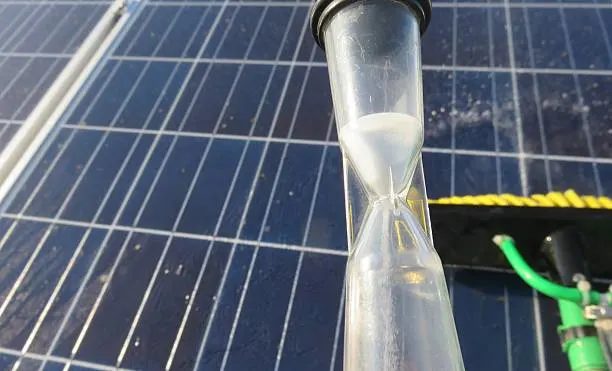
Dirt can block part of the sunlight reaching solar panels. Dust, pollen, and bird droppings may collect over time. Regular solar system care can help homeowners monitor buildup and maintain their system properly. The effect depends on how much buildup covers the surface. Light dust may have little effect, while heavy buildup can have a greater effect on energy output.
Regular cleaning can support steady solar system care. However, cleaning more often does not always mean better results. Homeowners should check the panel surface before washing it. A suitable solar panel cleaning routine should balance actual buildup with the wider solar maintenance schedule.
How Much Dirt Can Change Your Energy Production
Dust, pollen, bird droppings, and other debris can reduce sunlight reaching parts of the panel. Keeping clean solar panels can help maintain better access to sunlight when noticeable buildup develops. The effect depends on the type, amount, and location of the buildup. A thin layer may not need immediate cleaning, while heavy or concentrated dirt may need faster attention.
Energy monitoring can help support cleaning decisions. Compare current output with similar weather and sunlight conditions. A clear change may support further inspection. It does not always mean dirt is the cause. Tracking output can help set sensible solar panel cleaning intervals.
Seven Factors That Shape Your Ideal Cleaning Schedule
Several conditions can change how often panels need cleaning. A fixed schedule may not suit every solar system. Check local conditions before setting your routine.
Local Climate Can Change How Quickly Panels Soil
Dry weather can allow dust to remain on panel surfaces. Rain may remove some loose dirt but cannot remove every type of buildup. Humid weather can also affect surface residue. Understanding local weather conditions helps homeowners set a cleaning routine that matches actual needs.
Dust Levels Can Shorten Your Normal Cleaning Interval
Dust can build up faster in dry areas. Roads, construction sites, farms, and open land can add airborne particles. Heavy dust may remain on the panel surface between rainy periods. Regular visual checks can help identify when dust accumulation becomes significant enough to require cleaning.
Bird Activity Can Create Localized Heavy Deposits
Bird droppings can create concentrated buildup on individual panels. This differs from a light layer of general dust. Heavy deposits may require attention even when the rest of the array looks clean. Regular checks can help homeowners notice recurring bird droppings and respond before buildup becomes more severe.
Trees and Falling Debris Can Raise Cleaning Needs
Trees can add leaves, pollen, sap, and small branches to solar panels. These materials may remain on the surface after they fall. Properties with mature trees may therefore need more frequent inspections. Adjusting the schedule around seasonal tree activity can make seasonal cleaning more practical.
Panel Angle Influences Natural Dirt Removal
Panel angle can affect how easily rain moves across the surface. Steeper panels may allow water and loose debris to run off more easily. Flatter panels may retain some dirt for longer. This means panel position can affect cleaning needs even when two properties have similar weather.
Air Pollution Can Increase Surface Contamination
Traffic, industry, and other pollution sources can add airborne residue to panel surfaces. Urban areas may therefore have different cleaning needs from cleaner locations. Pollution can form a thin layer that remains after light rain. Considering location impact can help homeowners choose more suitable cleaning intervals.
System Performance Can Reveal When Cleaning Is Due
Energy monitoring can support visual checks when deciding whether cleaning is needed. Homeowners can compare production under similar weather conditions. A steady decline may justify further inspection. However, output changes can have other causes. Efficiency monitoring works best as one part of a wider maintenance plan.
When Seasonal Changes Should Alter Your Cleaning Routine
Different seasons can create different types of panel buildup. Spring may bring pollen and plant debris, while summer can bring dust during long dry periods. Autumn may add leaves from nearby trees. A flexible solar panel cleaning routine can help homeowners respond to these changing conditions instead of following a rigid schedule.
A fixed monthly routine may not suit every home. Seasonal checks can help homeowners notice changes before buildup becomes heavy. Cleaning may be needed after a period of high debris or dry weather. A flexible solar panel cleaning routine can work better than a strict schedule.
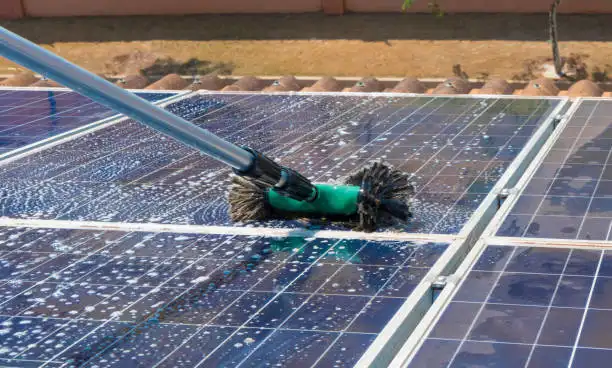
Situations That Call for Cleaning Sooner Than Planned
- A visible layer of dust covers several panels.
- Bird droppings create heavy or repeated buildup.
- Pollen collects heavily after a seasonal peak.
- Leaves or sap remain on the panels.
- A long dry period causes heavy dust accumulation.
- A storm leaves branches, dirt, or other debris.
- Energy output falls under similar weather conditions.
- Manufacturer guidance recommends cleaning.
How to Build a Practical Yearly Cleaning Calendar
Start with a basic cleaning plan based on your home’s conditions. Then adjust it after regular visual checks. Properties with little debris may need fewer cleanings. Homes near trees, roads, or dusty areas may need more frequent attention. Window washing services can be considered as part of broader exterior maintenance while solar panels are monitored separately.
Include seasonal inspections in your maintenance calendar. Record visible buildup, cleaning dates, and system performance. This information can help you notice patterns over time. Annual cleaning may suit some homes. Others may need seasonal or more frequent care based on changing conditions.
Annual, Seasonal, or Monthly Cleaning: What Fits?
Annual cleaning may suit homes with low dust and limited nearby debris. Seasonal cleaning can work well where pollen or leaves change throughout the year. More frequent cleaning may suit areas with heavy dust or bird activity. Monthly cleaning is usually unnecessary without a clear reason.
The best cleaning frequency depends on actual panel conditions. Homeowners should inspect panels more often than they clean them. This approach helps identify buildup without creating needless cleaning work. A cleaning decision should consider weather, dirt levels, panel position, and system performance.
| Cleaning Approach | Best Fit | Main Consideration |
| Annual | Cleaner areas with little debris | Still requires inspections |
| Seasonal | Areas with pollen or leaves | Follow local conditions |
| More Frequent | Dusty or bird-heavy areas | Confirm cleaning is needed |
| Monthly | Unusual high buildup | Usually needs a specific reason |
How to Use Energy Monitoring Before Scheduling Cleaning
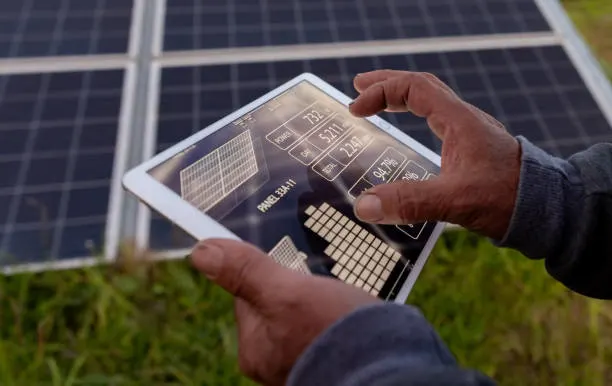
Energy monitoring can support visual inspections when deciding whether cleaning is needed. Compare production during similar weather and sunlight conditions. Seasonal changes can affect output without being caused by dirt. A single drop in production should not automatically lead to panel cleaning.
Look for patterns instead of one unusual reading. A steady decline may justify a closer inspection of the panels. If visible buildup is present, cleaning may be appropriate. Efficiency monitoring can therefore support better decisions about solar panel cleaning intervals.
Why Overcleaning Can Be Just as Unnecessary
Solar panels do not need to be washed simply because time has passed. Unnecessary cleaning can use extra water and labor. It also creates more chances for poor handling. Regular inspection is different from regular washing. Homeowners can check panels often without cleaning them each time.
Cleaning should respond to actual contamination and system needs. A panel with little buildup may not need immediate attention. A panel with heavy dirt may need faster care. This approach supports a practical solar panel cleaning routine without creating unnecessary solar panel cleaning intervals.
What Happens When Solar Panels Stay Dirty Too Long
Heavy buildup can reduce the sunlight reaching parts of the panel surface. The effect depends on the type and amount of contamination. Long periods without inspection can also allow homeowners to miss visible damage. Regular checks make it easier to notice changes before they become harder to assess.
Persistent dirt may also require more involved cleaning. Homeowners should inspect the surface before deciding what action to take. Energy data can support this decision when output changes. Monitoring combined with visual checks can help identify dust accumulation and possible performance concerns.
Manufacturer Guidance Should Shape Your Maintenance Plan
Solar panel manufacturers may provide specific cleaning and maintenance instructions. These can cover cleaning methods, tools, products, and inspection needs. Homeowners should review these instructions before using unfamiliar cleaning methods. Warranty terms may also make equipment-specific guidance important.
Keep the system documents available for future maintenance work. Follow the recommended care methods when they apply. Manufacturer guidance should work alongside weather, buildup, and system performance. These manufacturer recommendations can help shape a suitable solar maintenance schedule.
Simple Habits That Can Reduce Cleaning Needs
Nearby trees can add leaves, pollen, sap, and small branches. Keeping surrounding areas under control can reduce some debris reaching the panels. Regular gutter cleaning can also help manage leaves and debris around the property, supporting a cleaner exterior environment around the solar system.
Keep Surrounding Debris From Reaching the Array
Nearby trees can add leaves, pollen, sap, and small branches. Bird activity can also create repeated buildup. Keeping surrounding areas under control can reduce some debris reaching the panels. Homeowners should not change the solar system itself. Managing nearby debris can support a cleaner solar panel cleaning routine.
Use Regular Inspections to Catch Buildup Early
Regular visual checks can show when dirt starts collecting. Homeowners can compare the panel surface during each check. This makes it easier to notice changes before buildup becomes severe. Inspections also help avoid unnecessary washing. A simple check can support a more flexible solar maintenance schedule.
Cleaning Frequency and Safety Should Work Together
- Never increase cleaning frequency at the cost of safe roof access.
- Avoid cleaning during unsafe weather.
- Do not treat difficult rooftops as simple DIY tasks.
- Follow manufacturer safety instructions.
- Use tools made for solar panel cleaning.
- Stop if panels appear damaged.
- Keep electrical repairs separate from cleaning work.
Final Thoughts on Choosing Your Cleaning Frequency
The right solar panel cleaning frequency depends on several conditions. Dust, weather, birds, trees, pollution, and panel angle can affect buildup. Superior Solar Cleaners can help assess these factors and determine an appropriate cleaning schedule. Energy monitoring can support visual checks. Some homes may need annual cleaning. Others may need seasonal or more frequent attention.
A flexible solar panel cleaning schedule can help avoid both under-cleaning and over-cleaning. Inspect the panels regularly and clean them when conditions call for it. Always follow manufacturer guidance. If panels are difficult to reach, professional service may provide a safer option.
FAQs
Homeowners often wonder whether panels need monthly, seasonal, or annual cleaning. The right timing depends on local conditions and visible buildup. These questions cover common concerns about solar cleaning frequency.
Most homes can begin with annual inspections and adjust cleaning as needed. Dust, trees, birds, and dry weather may require more frequent attention.
Annual cleaning may suit homes with little debris. Properties near trees, roads, farms, or construction areas may need more frequent inspections.
Dry climates, heavy dust, nearby construction, mature trees, bird activity, and long periods without rain can increase buildup and shorten cleaning intervals.
Yes. Heavy pollen and repeated bird droppings can create concentrated buildup. Homeowners may need to inspect affected panels sooner than normally planned.
Inspect panels after major storms for branches, dirt, and other debris. Clean them when visible contamination remains and safe access is available.