

Few things are more frustrating than watching rainwater pour over the edge of a gutter that was cleaned only a few weeks ago. Leaves, seed pods, and roof grit collect quickly, and once the channel fills, water spills down siding, pools near walkways, and soaks the soil beside the house. Understanding gutter guard benefits can help you decide whether a cover system is worth adding to your roofline.
Reliable roof drainage matters because every part of the exterior depends on where runoff goes. Gutter guards can reduce the amount of debris that enters the channel, but they do not make gutters maintenance-free. This article covers how guards affect drainage, what they can and cannot protect, how the main types compare, and how to keep the whole system working.
How Gutter Guards Support Better Roof Drainage
Gutter guards sit over or inside the gutter to filter what enters the channel. Rainwater is meant to pass through while leaves and larger debris stay out. How well that works depends on the product, the roof, and the trees around your home.

How Gutter Guards Keep Leaves Out of Gutters
Suitable covers and screens limit how many leaves and larger pieces of debris drop into the gutter, while still letting rainwater enter. Instead of collecting inside the channel, much of the debris rests on top of the guard, where wind and rain may carry some of it off. This is the core of gutter protection, and it is why many homeowners look at guards after repeated cleanouts.
Why Clear Gutter Channels Help Rainwater Flow
A gutter can only carry as much water as the open space inside it allows. When debris builds up, that space shrinks, and roof runoff slows down before it reaches the downspout. Keeping the channel clearer helps preserve the room needed for rainwater drainage during a storm.
How Gutter Protection Can Reduce Overflow Risks
Guards may reduce overflow caused by debris sitting in the channel. They cannot fix every overflow problem, though. Undersized gutters, intense rainfall, and blocked downspouts can still send water over the edge, so gutter guard effectiveness always depends on the whole system.
How Guards Help Manage Debris From Nearby Trees
Trees add leaves in autumn, seed pods in spring, and twigs after storms, and roof surfaces shed their own grit over time. Homes under heavy canopy tend to see the fastest buildup, so leaf protection can be especially useful there. That same debris often settles on rooftop equipment too, which is why some owners also look into cleaning solar panels as part of routine roof care.
Why Downspouts Still Matter With Gutter Guards
Guards protect the gutter channel, but water still has to travel through the elbows and vertical run of each downspout. Small debris that slips past a guard can collect at the outlet and slow drainage. A clear path from roof edge to ground is what keeps runoff moving away from the home.
How Roof Design Influences Gutter Guard Performance
Roof pitch, roof area, gutter shape, and water flow patterns all change how a guard behaves. A steep roof can send water off at high speed, while a large roof section can deliver more runoff than a small one. These factors help explain why one design works well on one house and poorly on another.
Gutter Guard Benefits for Protecting Your Home Exterior
Gutters do more than tidy up the roofline. They direct water away from siding, fascia, landscaping, and the ground near the foundation. Guards can support that job by helping the gutters stay open.
How Gutter Guards Help Protect Roof Edges
When debris builds up, water can back up along the roof edge instead of draining into the channel. Guards can reduce that buildup and support steadier drainage where the roof meets the gutter. They cannot repair damaged flashing or worn roofing, so those problems still need their own attention.
Reducing Water Overflow Near Siding and Fascia
Overflow can leave siding and fascia exposed to more water than they were meant to handle. Better debris management may reduce some of those situations. Spilled water can also streak glass and trim, and if that has happened, a service focused on crystal-clear windows can help restore the view once the drainage issue is fixed.
Supporting Better Water Management Around Foundations
Gutters and downspouts carry roof runoff away from the building, and clear channels help them do that consistently. Guards can support this by limiting debris, but they do not guarantee foundation protection on their own. Downspout extensions, grading, and soil conditions also play a part.
Limiting Gutter Debris Around Entryways and Walkways
Overflowing gutters can drop wet leaves and grit onto steps, doorways, and paths below. Reducing overflow and uncontrolled runoff may keep these areas cleaner and easier to maintain. That can also mean less slippery debris near places people walk every day.
Helping Protect Landscaping From Concentrated Runoff
Water that spills from one spot can wash out mulch, erode soil, and flatten plants along the foundation. Properly directed rainwater spreads that load out and can reduce some drainage problems around planting beds. Guards help by keeping the gutters open, so water leaves through the downspouts instead.
Understanding What Gutter Guards Cannot Repair
Guards do not fix sagging gutters, damaged fascia, poor drainage slopes, leaking joints, or inadequate downspouts. Adding a cover to a failing gutter can hide the problem rather than solve it. Repairs should come first, so the guard has a sound system to protect.
Comparing Gutter Guard Types for Different Homes
Gutter covers come in several designs, and each handles debris and water a little differently. Material, fit, roof conditions, and the type of debris around your home all affect which one suits you. The points below outline the main gutter guard advantages and limits of each type.
How Mesh Gutter Guards Handle Fine Debris
Mesh designs use small openings to keep out both leaves and finer debris. That gives them an edge on properties with pine needles or small seeds. Fine particles and surface buildup can still collect on top, so occasional attention is still needed.
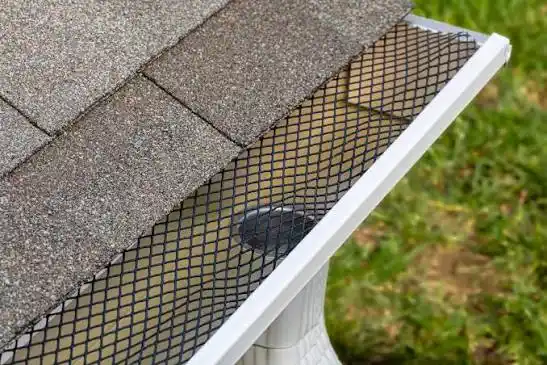
What Screen-Style Gutter Covers Can and Cannot Do
Screen guards can block larger leaves and are often simple to install. Depending on the opening size, smaller debris may pass through and settle in the gutter over time. Surrounding trees and roof material influence how often that happens.
Understanding Reverse-Curve Gutter Guard Designs
Reverse-curve designs guide water around a curved surface and into the gutter while directing some debris away. Their performance depends on roof type and rainfall conditions, since heavy or fast runoff can behave differently than a light rain. Correct installation matters more with this style than many buyers expect.
Where Foam and Brush Gutter Inserts May Fit
Foam and brush inserts sit inside the gutter channel rather than over it. They can suit some gutter shapes, but debris can accumulate in or on them, and they may need periodic upkeep. Weighing that upkeep against the price is part of an honest comparison.
Comparing Gutter Guard Materials and Installation Fit
Durability, compatibility with existing gutters, and secure attachment all matter when comparing materials. Following the manufacturer’s installation guidance helps avoid gaps, loose sections, and interference with the roof. Homes with rooftop solar also need care so wiring and panels are not disturbed, which fits into broader solar system care planning.
Choosing a Gutter Guard Design for Your Property
No single design is ideal for every home, so the table below compares broad product types. Use it as a starting point, then match the trade-offs to your trees, roof, and rainfall.
| Guard type | Potential advantage | Important limitation |
| Mesh | Helps block small and large debris | Fine buildup may collect on the surface |
| Screen | Can keep larger leaves out | Smaller debris may pass through |
| Reverse curve | Directs water toward the gutter | Performance depends on roof and rainfall conditions |
| Foam insert | Fits inside some gutter channels | Can collect debris and need maintenance |
| Brush insert | May catch larger debris while allowing water through | Debris can become lodged within the insert |
Gutter Guard Maintenance Benefits and Realistic Limits
Guards change how gutters are maintained, but they do not remove the need for it. The gutter guard maintenance benefits are real, yet they come with regular checks. Knowing what to inspect helps prevent a neglected system.
How Gutter Guards Can Reduce Routine Gutter Cleaning
Guards may reduce the amount of leaves and larger debris that enter the gutter, which can mean fewer full cleanouts. Cleaning may still be needed, especially after storms or heavy leaf fall. If you are unsure where to start, a gutter cleaning schedule can help you decide how often to check.
Why Gutter Covers Still Need Regular Inspections
Inspections should look for loose sections, visible buildup, damaged components, and signs that water is not draining correctly. A quick check after major weather can catch small problems early. Skipping this step is one of the easiest ways to end up with clogged gutters hidden under a cover.
Recognizing Signs of Blocked or Overflowing Gutters
Water spilling over the edge, streaks on siding, sagging sections, and unusual water flow during rain can all point to a problem. Any of these suggests the system needs attention, even if a guard is installed. Watching a gutter during a steady rain is a simple way to spot trouble.
Maintaining Downspouts Alongside Gutter Guards
Downspouts should be checked for blockages, since clear outlets are essential for carrying water away from the home. Debris that passes through a guard often ends up at the elbow or the base of the pipe. A brief check each season can keep the whole path open.
Avoiding Common Gutter Guard Maintenance Mistakes
Common mistakes include skipping inspections, using unsuitable cleaning tools, ignoring loose guards, and assuming every product is maintenance-free. Sharp or abrasive tools can damage a guard or the gutter beneath it. Treat the guard as one part of a system that still needs regular care.
Knowing When Gutter Repairs Should Come First
Damaged, poorly sloped, or undersized gutters should be assessed before guards are added. A cover cannot correct standing water, leaking joints, or a gutter pulling away from the fascia. Fixing the base system first gives the guard a fair chance to work.
Choosing Gutter Protection That Fits Your Home
Choosing well means weighing the benefits of gutter protection against the limits of each product. Debris type, rainfall, roof design, and how much upkeep you are willing to do all matter. A short, honest assessment of your property will guide the decision better than any one product claim.

Assessing the Types of Debris Around Your Roof
Leaves, pine needles, seeds, and other debris can influence the opening size and design a homeowner considers. Nesting material can add to the mix on roofs where birds settle, and homeowners dealing with that may want to read about removing unwanted birds. Knowing what actually lands on your roof makes it easier to pick a guard that fits.
Matching Gutter Guards to Heavy Rainfall Conditions
During heavy rain, water-entry capacity, gutter size, roof runoff, and downspout performance all matter. A guard that works well in light rain may struggle when a large volume of water arrives at once. If your area gets heavy storms, ask how a product performs under those conditions.
Checking Gutter Condition Before Installing Covers
Before covers go on, the gutters should be checked for secure attachment, correct slope, leaks, and damage. Problems found later are harder to reach once a guard is in place. A sound gutter is the best foundation for any protection system.
Understanding Installation Quality and System Compatibility
Proper fit, secure fastening, and manufacturer instructions all affect how a guard performs. Poor installation can interfere with roofing or drainage components and reduce the benefits you were hoping for. If the job looks difficult or requires working near the roof edge, a qualified professional is a safer choice.
Weighing Gutter Guard Advantages Against Limitations
The gutter guards’ pros and cons come down to a simple trade. On one side are reduced debris entry and potentially less cleaning. On the other are installation requirements, ongoing inspections, and possible surface buildup.
Setting Realistic Expectations for Long-Term Protection
Effective protection depends on the product, the installation, property conditions, and continued maintenance. It is not a guarantee of clog-free gutters. Homeowners who expect a helpful tool, rather than a permanent fix, tend to be better prepared.
Final Thoughts on Gutter Guard Benefits for Your Home
Gutter guards can help limit debris entry and may reduce some cleaning needs. Their effectiveness still depends on the design, the installation, rainfall, and the trees and roof around your home. Seen this way, the main gutter guard benefits come from pairing the right product with a well-maintained system.
The best results come when guards are treated as one part of a complete roof drainage and home maintenance plan. Sound gutters, clear downspouts, and regular inspections, supported by Superior Solar Cleaners, do as much work as the cover itself.
Start by walking around your home and inspecting your existing gutters. Note where debris keeps returning, and look for overflow marks or sagging sections. If repairs or difficult installation work are needed, consult a qualified professional before adding any gutter protection.
Frequently Asked Questions About Gutter Guard Benefits
Gutter guards can make debris management easier, but every roof drainage system has different needs.
The right protection depends on roof design, surrounding trees, rainfall, and existing gutter conditions.
These additional questions cover common concerns about choosing and maintaining gutter covers.
Yes, in some cases. During heavy rain, fast runoff from a steep or large roof can skip past certain guard designs, especially reverse-curve styles that are poorly matched to the roof. Choosing a design suited to your roof pitch and having it installed correctly lowers this risk.
Yes. Sagging sections, leaking joints, poor slope, and loose attachments should be fixed first, because a guard cannot correct them. Installing covers over a damaged gutter can also make later repairs harder to reach.
It depends on the design. Fine mesh is generally better at blocking pine needles and small seeds than wide-opening screens, though fine debris can still collect on the surface. Look at what falls on your roof most often before choosing an opening size.
Sometimes. Certain guards lift out or hinge open for easy access, while others are fastened under the shingles or to the fascia and are harder to remove. Check the manufacturer’s instructions, and avoid forcing a guard loose, since that can damage the cover or the roof edge.
They can, both positively and negatively. A well-matched guard helps keep the channel open so water flows to the downspouts, but a poorly matched one may let water overshoot or slow entry during heavy rain. Clear downspouts and correctly sized gutters remain just as important.