

Solar panels can face the sun all day and still produce less electricity than you expected. Dust, pollen, bird droppings, and other deposits settle on the glass and block part of the sunlight that would otherwise reach the cells. Understanding solar panel cleaning benefits helps you decide when a clean surface is likely to make a difference and when the cause of low output lies somewhere else.
Cleaning is only one part of looking after a solar power system, and its value depends on how dirty the panels are, how they are installed, and how the system is performing. This article explains how dirt affects output, what benefits cleaning can realistically offer, how to choose a safe method, and how to measure the results. It also shows how to build a routine based on real conditions rather than assumptions.
How Dirt and Debris Interfere With Solar Panel Efficiency
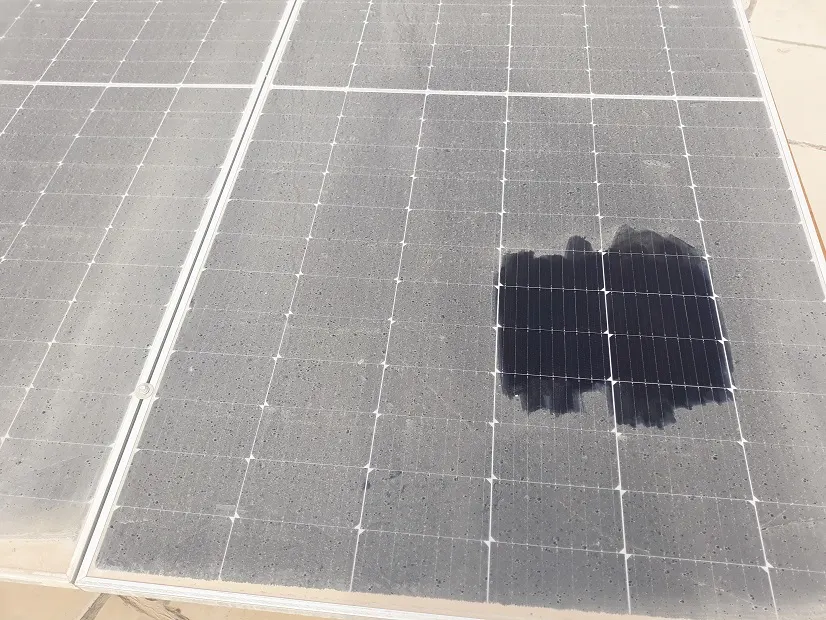
Solar panels rely on clear glass to turn sunlight into electricity. When contamination builds up, less light reaches the cells, which is a main reason why clean solar panels matter for steady output. The sections below explain how different deposits affect solar panel efficiency and photovoltaic efficiency, and how to tell soiling apart from other problems.
How Surface Dirt Blocks Incoming Sunlight
Sunlight has to pass through the glass before photovoltaic cells can use it. Fine particles scatter and absorb some of that light, so the cells receive less energy to convert. A thin, even layer may have a modest effect, while a thicker layer can reduce electricity generation more noticeably.
Why Bird Droppings Can Cause Uneven Shading
Bird droppings rarely spread evenly across a panel. A concentrated deposit can shade one area, and because cells are wired together, a blocked cell may limit the output of the section it belongs to. That is why one dried patch can matter more than its size suggests. If birds keep landing on the same array, options such as solar bird protection can help reduce repeat deposits, although existing droppings still need gentle removal.
How Pollen, Dust, and Pollution Build Up
Pollen, road dust, soil, and airborne pollution are the most common contaminants. Nearby trees, busy roads, farmland, and long dry periods all influence how quickly they collect. Panels at a low tilt tend to hold onto more material because water and gravity move it off more slowly.
When Soiling Is Different From System Faults
Dirt is not the only reason output can drop. Shade from a growing tree, an inverter problem, a loose connection, or a few cloudy days can cause similar results. Blaming dirt automatically can delay the discovery of a real fault, so it helps to look at the panels and the system data together.
How Dirty Panels Affect Daily Electricity Generation
Reduced sunlight absorption lowers production during the hours when the system should be generating the most. That can mean less solar electricity available for your home during the day and less surplus to send to the grid. The size of the effect depends on how much dirt is present and on how you use or export your power.
Solar Panel Cleaning Benefits That Improve Energy Output
Cleaning cannot guarantee a fixed gain, but it can restore some of the output that dirt was taking away. The main solar panel cleaning advantages come from better light capture, steadier performance, and better maintenance decisions. This section explains what cleaning can realistically improve and what shapes those results.
Recovering Energy Lost to Surface Soiling
Removing accumulated dirt lets more sunlight reach the cells, so some of the lost production can return. How much comes back depends on how heavily the panels were soiled. Panels that were only lightly dusty may show little change, while those with heavy or uneven deposits may show more.
Supporting More Consistent Solar Performance
Dirt builds up gradually and unevenly, which can make output vary in ways that have nothing to do with the weather. Appropriate cleaning helps reduce that avoidable variation. Other factors, such as shade and equipment condition, still affect performance, so cleaning supports consistency without controlling it entirely.
Making Better Use of Available Sunlight
One of the plainest benefits of cleaning solar panels is that clean glass lets the panels use the sunlight that actually reaches them. This can contribute to solar panel efficiency improvement, though no fixed percentage applies to every system. Results depend on the panels, the site, and how much dirt was present beforehand.
Improving the Value of Generated Electricity
Any electricity recovered through cleaning can be used in the home or exported. Its value depends on your utility arrangement, since some customers receive credit for exported power and others are paid at different rates. Owners who use most of their solar electricity directly may see the benefit in a lower need to draw from the grid.
Supporting Better Solar Maintenance Decisions
Cleaning works best when paired with monitoring. Comparing output before and after a cleaning helps you spot recurring soiling and decide when maintenance is worthwhile. Treating cleaning as one part of broader solar system care keeps the routine focused on evidence rather than habit.
Long-Term Solar Panel Maintenance Benefits and Protection
Cleaning fits into the ongoing care of a solar power system, alongside inspection and technical service. Understanding the solar panel maintenance benefits helps you separate what cleaning can do from what it cannot. The sections below cover surface protection, safe methods, visible checks, lifespan, and record keeping.
Reducing Persistent Dirt and Surface Staining
Removing suitable contaminants in good time can keep them from hardening or building up in layers. Sticky residue and dried deposits are harder to lift the longer they stay in place. Gentle, timely cleaning can make later maintenance simpler.
Protecting Panels From Incorrect Cleaning Methods
Abrasive pads, stiff brushes, and strong chemicals can scratch glass, strip coatings, or affect seals. Reviewing common cleaning mistakes before you start helps you avoid damage that can be worse than the dirt itself. Soft tools, gentle water, and products approved by the manufacturer protect the surface.

Recognizing Visible Problems During Maintenance
A cleaning visit gives you a close look at the panels, so cracks, loose components, or exposed wiring may become easier to notice. This is a helpful side benefit, but cleaning is not a full inspection. Anything that looks unusual should be checked by a qualified technician.
Understanding Cleaning and Solar Panel Lifespan
Careful upkeep supports responsible ownership, and solar panel lifespan maintenance is part of that. Cleaning alone cannot guarantee a longer lifespan or stop normal degradation over the years. It is best seen as one contributor to good care rather than a promise of longevity.
Keeping Useful Maintenance and Warranty Records
Keep a record of cleanings, inspections, and any service visits. Check your own manufacturer’s warranty and maintenance instructions, since terms differ between products and companies. Good records make it easier to show what was done if a question ever comes up.
Choosing the Right Solar Panel Cleaning Method
The right approach depends on how reachable the panels are, what kind of dirt is on them, and what the manufacturer allows. Choosing well is what turns clean solar panel advantages into safe results, and it matters most for rooftop solar maintenance. The sections below compare DIY and professional options and explain which methods to avoid.
When Gentle DIY Cleaning May Be Suitable
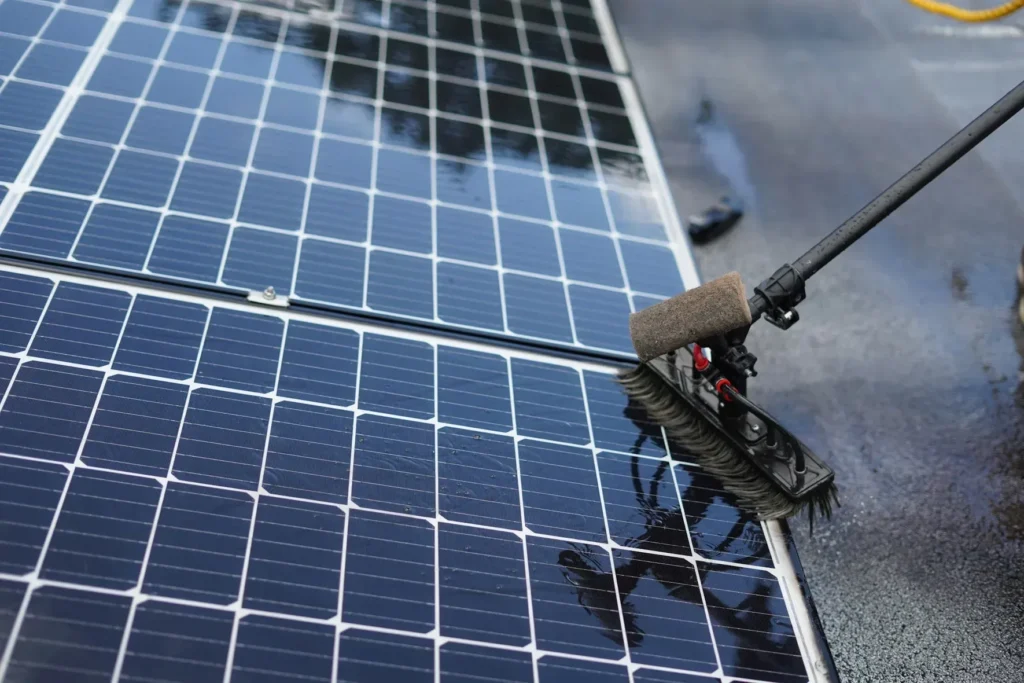
Ground-level or easily reachable systems may be manageable for an owner when the manufacturer permits it, and conditions are safe. A gentle rinse with a hose and a soft tool on a pole can be enough for light dirt. If reaching the panels means climbing or leaning from a height, DIY is no longer a good fit.
When Professional Solar Panel Cleaning Makes Sense
Steep or high roofs, awkward access, stubborn contamination, and large arrays often call for trained personnel and specialist equipment. Hiring a professional shifts the risk away from you and can produce a more thorough result. This is one of the clearest solar panel cleaning advantages of using a service.
Why Water Quality and Soft Tools Matter
Hard water can leave mineral spots as it dries, so purified or low-mineral water can help reduce residue. Non-abrasive brushes and sponges lower the risk of scratches. Check your manufacturer’s guidance, since some panels have specific water or tool requirements.
Why High Pressure and Harsh Chemicals Should Be Avoided
Excessive pressure can force water past seals and stress edges, wiring, and coatings, and strong chemicals can leave film or cause damage. Many homeowners ask about pressure washing panels because it seems fast, but gentle methods are safer and usually effective. Use only cleaning products your manufacturer approves.
How Robotic Cleaning Fits Larger Solar Installations
Robotic and automated cleaning systems are used on some large or hard-to-maintain arrays, such as commercial or utility-scale sites. Whether they suit a particular installation depends on the system’s design, layout, and budget. For most homes, they are not a practical option.
Building a Practical Solar Panel Cleaning Schedule
A good schedule responds to conditions instead of following the calendar. This approach supports solar energy efficiency maintenance while avoiding both neglect and unnecessary cleaning. The sections below explain how local conditions, rain, seasons, and monitoring can guide your routine.
Setting a Cleaning Frequency Around Local Conditions
No universal schedule fits every home, and a panel cleaning frequency that suits one property may be too much or too little for another. Dust, pollen, nearby trees, construction, and bird activity all influence how quickly panels get dirty. Watching your own site is more reliable than following a fixed interval.
Understanding What Rain Can and Cannot Remove
Rain can rinse away loose dust, which is why panels sometimes look cleaner after a storm. It often cannot remove sticky residue, bird droppings, or hardened deposits. Relying on rain alone can leave stubborn patches behind.
Checking Seasonal Changes in Panel Soiling
Pollen seasons, dry spells, storms, and nearby outdoor work can all change how much dirt lands on the panels. A quick visual check when the season shifts helps you decide whether closer attention is needed. Inspect from a safe location rather than climbing onto the roof.
Using Energy Monitoring to Identify Performance Changes
Monitoring lets you compare current output with past production. When you do, account for sunlight, temperature, shading, and equipment conditions so that normal variation is not mistaken for dirt. A sustained drop on clear days is a better signal than a single low reading.
Creating a Simple Solar Maintenance Checklist
A short checklist keeps rooftop solar maintenance organized without adding unnecessary work:
- Look at the panels from a safe spot on the ground for visible dirt, droppings, leaves, or damage.
- Review your monitoring data for output drops that weather and shade do not explain.
- Write down the date and method of every cleaning.
- Clean gently only when the evidence points to soiling.
- Contact a qualified professional for unsafe access, visible damage, or low output you cannot explain.
Measuring Solar Panel Cleaning Results and Energy Gains
To judge whether cleaning was worthwhile, look at your own data instead of relying on broad percentage claims. Measuring solar panel performance benefits means comparing similar conditions, understanding why results vary, and weighing the practical value. This section covers energy output, electricity generation, and the choice between DIY and professional cleaning.
Comparing Energy Output Before and After Cleaning
Compare similar periods, such as two clear days with similar temperatures and seasonal sunlight. Record energy output before cleaning and again afterward, and note any weather or system changes in between. A consistent improvement under similar conditions is more meaningful than a single good day.
Understanding Why Energy Gains Vary Between Systems
The amount of recoverable output depends on how contaminated the panels were, their tilt, the local environment, and how well they were maintained before. A system in a dusty area that has not been cleaned for a long time may see a larger change than one in a clean, rainy climate. That is why one owner’s result rarely predicts another’s.
Estimating the Practical Value of Recovered Electricity
Extra electricity generation has value whether you use it at home or export it. That value depends on your tariff and on when you use power during the day. Owners can estimate it by comparing recovered output with their own rates rather than relying on general figures.
Comparing DIY Cleaning With Professional Service
Each option has strengths, and the right choice depends on access, safety, equipment, and the type of dirt. The table below compares the main considerations.
| Consideration | DIY cleaning | Professional cleaning |
| Accessibility | Best for safely accessible systems | Can address difficult access |
| Safety | Owner must assess risks | Trained access procedures may help |
| Equipment | Requires suitable tools | May include specialist equipment |
| Stubborn deposits | May be difficult to remove | May be better suited to specialist treatment |
| Performance checks | Owner can monitor output | May offer additional observations, depending on service |
Deciding Whether Cleaning Is Worthwhile
Weigh the soiling you can see, the energy you might recover, the safety of access, the resources cleaning requires, and your own maintenance priorities. Sometimes a light rinse is enough, and sometimes the best choice is to wait. Cleaning makes the most sense when the evidence points to dirt as a meaningful cause of lost output.
Final Thoughts on Solar Panel Cleaning Benefits
Removing relevant soiling can help panels use available sunlight more effectively, and that is the core of solar panel cleaning benefits. The gains vary with the system, the site, and the type of dirt, so cleaning should follow what you observe rather than an assumption of guaranteed results. Better solar panel performance comes from steady attention, not from cleaning for its own sake.
Cleaning is one part of solar system maintenance and does not replace troubleshooting or professional inspection. If output stays low after a careful cleaning, the cause may lie elsewhere, and a qualified technician can find it. Protecting solar energy production over the long term means combining gentle cleaning with regular monitoring and sound record-keeping from Superior Solar Cleaners.
Take time to review your system’s output and follow your manufacturer’s guidance. If cleaning is unsafe or difficult, consider a qualified professional, and Superior Solar Cleaners can help homeowners who would rather leave roof work to trained hands.
Solar Panel Cleaning FAQs for Smarter Maintenance
Solar panel maintenance can raise practical questions about cleaning products, weather, and performance. These FAQs cover additional considerations for homeowners planning their cleaning routine. Use manufacturer guidance and safe maintenance practices when caring for your solar power system.
Yes. Minerals in hard water can dry into spots or a cloudy film on the glass. Using purified or low-mineral water and following your manufacturer’s water guidance can help reduce this.
It is generally better to avoid cleaning hot panels. Water can dry quickly on hot glass and leave streaks or residue. Early morning or evening, when the panels are cooler, is usually more suitable.
Sometimes, but sap can be difficult to remove without risking scratches. Start with gentle water and a soft tool, and avoid scraping or unapproved solvents. If sap remains, ask a professional or check your manufacturer’s guidance.
It depends on the manufacturer and the terms of your warranty. Some may ask for approved cleaning methods or maintenance records. Read your warranty and keep notes on any cleaning or service.
They can indirectly. Dirt reduces solar electricity generation, which can leave less energy available to charge a battery. Battery behavior also depends on your system settings and household use, so check other factors as well.