
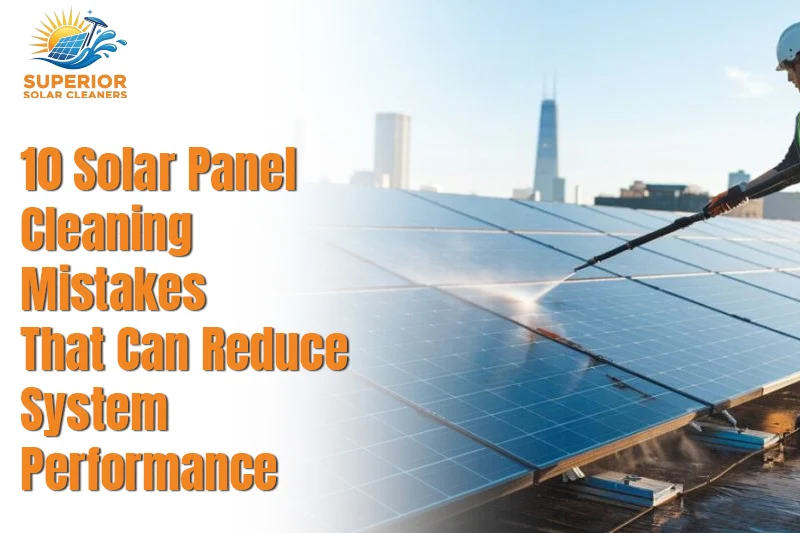
Cleaning solar panels should help keep their surface clear. However, poor cleaning methods can cause new problems. Solar panel cleaning mistakes may lead to scratches, residue, cracks, or safety risks. Some errors can also affect system care. Knowing what to avoid can help homeowners clean panels with greater care.
Solar panels face rain, dust, heat, and changing weather every day. Still, they need suitable cleaning methods when dirt builds up. Rough tools and strong cleaners can harm the surface. Unsafe roof access can also put people at risk. Let us look at common solar panel cleaning errors.
10 Cleaning Errors That Can Harm Solar Panels
Small cleaning errors can create avoidable problems. The right tools can help protect the panel surface. These ten mistakes are worth knowing before cleaning.
1. Using Abrasive Brushes That Can Scratch Glass
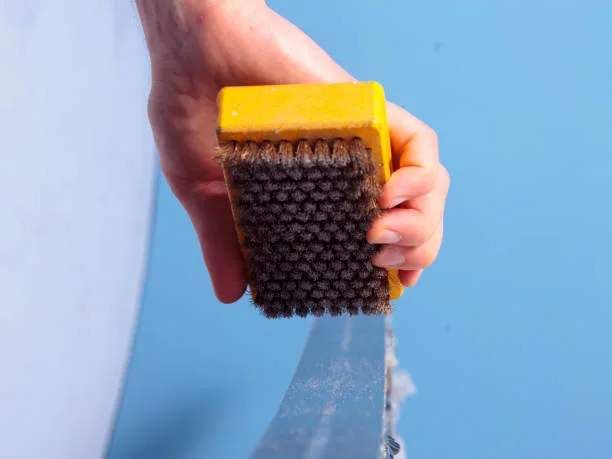
Hard brushes can damage the glass on solar panels. Rough sponges and scouring pads can also leave fine marks. These scratches may not be easy to see at first. Over time, they can make the surface harder to keep clean. This is one of the common solar system care mistakes homeowners make during DIY work. Use soft cleaning tools that are suitable for solar panels and avoid rough bristles or hard scraping tools.
Use soft cleaning tools that are suitable for solar panels. Avoid rough bristles and hard scraping tools. Let water loosen loose dirt before gentle cleaning. Do not use force to remove marks that will not come away easily. If a deposit remains stuck, check the panel care guide first. Taking these steps can help avoid damaging solar panels and protect the glass surface.
2. Pressure Washing Panels With Excessive Force
Pressure washing may seem like a fast way to remove dirt. However, strong water force can create problems around panel edges and seals. It may also affect nearby connections or other system parts. Solar panels do not need strong pressure for normal surface cleaning. Using too much force can turn a simple cleaning job into a costly repair issue. This makes pressure washing an important cleaning error to avoid.
A gentle water flow is a safer choice for basic rinsing. Start by removing loose dirt without forcing water into edges or connections. Follow the cleaning instructions provided with your solar system. If heavy buildup does not come away with gentle cleaning, do not increase the water pressure. Consider professional help instead. This approach can reduce solar panel cleaning errors and help protect the system.
3. Applying Harsh Chemicals Without Checking Compatibility
Strong household cleaners may seem useful for tough solar panel dirt. However, not every cleaner is safe for panel surfaces. Some chemicals can affect coatings, seals, or other materials. Always check the manufacturer’s cleaning instructions before using a solution. Using the right products can help homeowners clean solar panels safely without creating additional surface or equipment problems.
Always check the manufacturer’s cleaning instructions before using a solution. Use only products that the panel maker allows. Avoid strong solvents or aggressive cleaners unless they are clearly approved. If ordinary cleaning does not remove a stubborn mark, do not simply choose a stronger chemical. The buildup may need another cleaning method. Careful product choice can help prevent solar panel care mistakes and protect the panel surface.
4. Washing Panels While They Are Extremely Hot
Cleaning very hot panels can make the process harder. Water may evaporate quickly when it touches a hot surface. This can leave streaks and mineral marks behind. The fast drying can also make it harder to rinse away dirt fully. Homeowners may then need to clean the same area again. This makes cleaning in direct sunlight a poor choice when the panel surface is extremely hot.
Choose a cooler time when possible. Early morning can provide better conditions for many homes. An overcast period may also make cleaning easier when the weather is safe. The goal is not to avoid sunlight at all times. The main concern is extreme panel heat. Using better timing can reduce solar panel cleaning errors and help water work more effectively during cleaning.
5. Stepping Directly Onto Solar Panel Surfaces
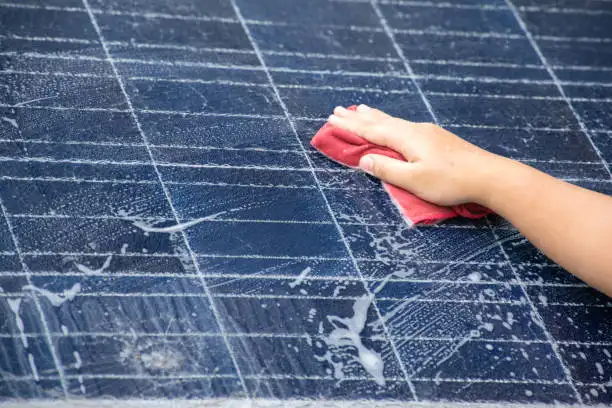
Solar panels should never be treated like a roof walkway. Their glass surface can handle normal outdoor conditions but is not meant to support people. Stepping on a panel can place pressure on the glass and internal parts. Safe access is an important part of solar panel cleaning, especially when panels are installed on difficult rooftops.
Use a safe way to reach the panels instead of standing on them. Ground-based tools may help with some installations. Other systems may require professional access equipment. Homeowners should never place their weight on the panel surface to reach one more spot. Safe access is part of good panel care. Avoiding this solar panel maintenance mistake can protect both the equipment and the person cleaning it.
6. Ignoring Roof and Electrical Safety Before Cleaning
Solar cleaning involves more than protecting the panel surface. Roof work can create fall risks, especially when the surface becomes wet. Ladders can also become unstable if placed on poor ground. Electrical parts near the system require added care. Homeowners should not treat cleaning as a simple task without first checking access and safety conditions. Ignoring these risks is one of the serious solar panel cleaning safety mistakes.
Follow the system’s shutdown guidance before starting any cleaning work. Use proper safety gear and stable access equipment when needed. Never improvise around electrical parts or damaged equipment. If the roof is steep or difficult to reach, professional service may be safer. A cleaning job is not worth risking personal safety. Avoiding DIY solar cleaning mistakes starts with knowing when not to work alone.
7. Using Dirty or Mineral-Rich Water on Panels
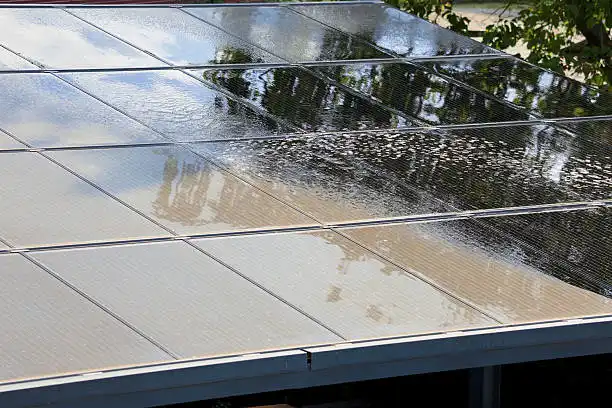
Water quality can affect the final cleaning result. Hard water may contain minerals that remain on the glass after the water dries. These minerals can create spots or a hazy look across the surface. Understanding water quality can help prevent unnecessary buildup and avoid gutter cleaning issues caused by poor water management around the property
Check the water available at your home before starting. If it leaves heavy mineral marks on other surfaces, it may also leave deposits on solar panels. Follow the manufacturer’s guidance for water quality and cleaning methods. Do not assume that any water source will produce the same result. Understanding water quality can help prevent solar panel care mistakes and reduce problems caused by using dirty water.
8. Scrubbing Stubborn Deposits Too Aggressively
Some dirt needs more time to loosen. Bird droppings and dried debris can become hard when left on the surface. Scrubbing harder may seem like the fastest solution. However, strong pressure can scratch the glass or damage the surface. Rough tools can make this problem worse. Homeowners should avoid turning a small dirt problem into a permanent surface issue. This is one of the common cleaning mistakes to avoid.
Start by allowing water to soften the buildup. Gentle cleaning can then remove some deposits without heavy pressure. Do not use hard scrapers or rough pads to force material away. If a deposit remains after careful cleaning, check the manufacturer’s advice. Some buildup may need professional treatment. Taking a slower approach can reduce the risk of scratching glass while protecting the panel surface.
9. Skipping a Visual Inspection Before and After Cleaning
Cleaning should not begin without a quick visual check. Look for cracks, loose parts, damaged wires, unusual marks, or heavy buildup. These signs may point to problems that cleaning cannot fix. Regular checks are also useful when coordinating exterior maintenance such as window washing services, helping homeowners identify visible issues before starting cleaning work.
The same check should happen after cleaning. Look for remaining dirt, streaks, loose parts, or new concerns. This helps confirm that the cleaning work is complete. It also gives homeowners a chance to notice changes in the system. Regular checks are part of wider solar care. Skipping inspections can therefore become one of the more important solar panel maintenance mistakes to avoid.
10. Treating Every Cleaning Job Like a DIY Project
Not every solar system is easy or safe for homeowners to clean. A steep roof can make access dangerous. Some panels may be difficult to reach from the ground. Large systems may also need special tools and more careful planning. Damaged panels create another concern. Homeowners should look at the full cleaning task before deciding that DIY work is suitable.
Professional cleaning can make more sense when access is difficult or safety risks are high. A trained crew can use suitable tools and work methods for the site. Homeowners should not focus only on the cleaning cost. Consider the roof, equipment, access, and possible risks first. Avoiding DIY solar cleaning mistakes can sometimes mean choosing professional solar cleaning instead.
Final Thoughts on Avoiding Solar Cleaning Mistakes
Good panel care starts with simple choices. Use soft tools and gentle water flow. Avoid harsh chemicals and rough cleaning methods. Do not walk on panels. Always check the system before cleaning. Superior Solar Cleaners can also help homeowners choose suitable cleaning methods based on their panel condition and access. Manufacturer guidance can also help you choose suitable methods.
Safety should remain part of every cleaning decision. Difficult roofs and damaged equipment may not suit DIY work. Regular inspections can also reveal issues that cleaning cannot fix. If cleaning feels unsafe, professional service can provide a better option. Avoiding solar panel cleaning mistakes can support safer and more careful system care.
FAQs
Homeowners often make simple cleaning errors without noticing the risks. The right tools and methods can prevent many avoidable problems. These questions cover common concerns about safe panel cleaning.
Using rough tools or excessive pressure can damage the panel surface. Scratches may collect dirt and affect the glass. Gentle cleaning is safer.
Pressure washing may harm seals, edges, or nearby parts. Strong water force is not needed for normal rinsing. Gentle water flow is safer.
Avoid strong chemicals unless the manufacturer approves them. Some products may affect coatings or seals. Always check the panel care instructions before cleaning.
Hot panels can dry water quickly and leave streaks. Cooler conditions allow better control during cleaning. This can also reduce unwanted mineral residue.
Hard water can leave mineral spots after drying. Repeated deposits may affect surface appearance. Water quality should be considered when choosing a cleaning method.