

Gutters may look fine from the ground while leaves block water flow inside. Small clogs can grow after storms or windy days. Regular gutter cleaning helps keep rainwater moving away from your home. The right schedule depends on nearby trees, roof shape, weather, and the amount of debris your gutters collect.
For example, a home under large trees may fill with leaves each fall. Another home with few trees may stay clear much longer. This is why homeowners need a cleaning plan that fits their property. Good gutter-cleaning and maintenance also help spot drainage issues before they become costly repairs.
Why Your Gutters Need More Than Occasional Attention

Gutters guide rainwater from your roof toward safe drainage areas. Leaves, twigs, pollen, and dirt can slowly block this path. When water cannot move freely, it may spill over the gutter edge. Regular cleaning helps reduce this risk and supports better drainage around the home.
For example, heavy rain can quickly fill a gutter packed with leaves. Water may then pour near a wall instead of the downspout. This can leave wet soil around the house. Simple gutter maintenance tips can help homeowners find these problems before heavy rain causes bigger concerns.
How Often Gutters Usually Need Cleaning Each Year
Most homes need gutter cleaning at least once each year. Some homes need cleaning twice or more. Properties near large trees often collect more leaves and twigs. Homes with little tree cover may need fewer cleanings. Weather can also change how much debris enters the gutter system. Regular maintenance can help protect nearby solar system care by reducing debris and drainage issues around the property.
For example, a home near several oak trees may fill quickly during fall. The owner may need to check the gutters before winter. A home on an open lot may stay clear longer. This shows why gutter-cleaning frequency should match the actual conditions around your home.
What Your Property Reveals About Cleaning Frequency
Your property can give useful clues about cleaning needs. Mature trees often drop leaves and small branches into gutters. Roof shape can also affect where debris collects. Nearby construction may add dust and dirt. Heavy storms can bring extra debris. These factors can change your normal cleaning schedule.
For example, a home with trees above the roof may need frequent checks during fall. A nearby building project can also add more dust than usual. In both cases, homeowners may need extra seasonal gutter cleaning. Checking the gutters helps you adjust your routine based on real conditions.
Warning Signs That Your Gutters Are Overdue
- Water spills over the gutter edge during rain.
- Leaves and dirt fill large gutter sections.
- Plants begin growing inside the gutter.
- Water stays inside after rainfall.
- Gutters look sagged or uneven.
- Joints show signs of leaking.
- Downspouts drain very slowly.
- Water collects near the foundation.
- Soil washes away near the home.
- Stains appear below the gutter line.
A Seven-Step Process for Cleaning Gutters Safely
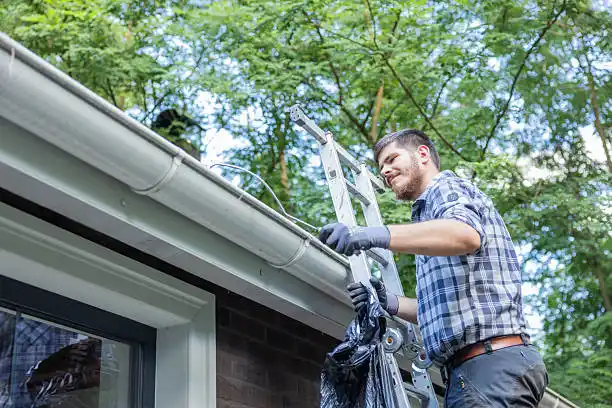
A safe cleaning job starts with a careful inspection. Homeowners should check the gutter condition before removing debris. The right tools can also make the work easier. Ground-based methods may be safer for some homes. Each step helps reduce clogs while protecting the gutter system. Professional solar panel cleaning and gutter maintenance may also be considered when exterior cleaning requires specialized access or equipment.
A homeowner may notice a loose gutter section before cleaning. Repairing that section first can prevent more damage. A simple cleaning job can then continue safely. This approach makes gutter cleaning safety tips part of the full process rather than an afterthought.
Step One: Inspect the Gutters Before Starting Work
Start by checking the gutters for leaves and packed dirt. Look for loose hangers, sagging sections, leaks, and damaged joints. These issues may need repair before cleaning begins. For example, a homeowner may find one loose section near the garage. Fixing it first can prevent water from escaping during the next storm.
Step Two: Prepare the Right Equipment and Safety Gear
Gather gloves, eye protection, stable shoes, and a debris bag. A scoop and hose can help with basic cleaning. Long-reach tools may work for lower gutters. For example, a homeowner with one-story gutters may use an extension tool from the ground. Good gutter cleaning equipment can make the task easier and safer.
Step Three: Remove Leaves and Loose Debris First
Remove loose leaves, twigs, and dirt before using water. Place the debris in a bucket or bag. Avoid pushing large amounts toward the downspout. For example, a homeowner may find a thick layer of dry leaves near one corner. Removing that material first helps prevent the downspout from becoming blocked.
Step Four: Work Through Stubborn or Compact Buildup
Wet leaves and packed dirt can stick inside the gutter. Use a suitable scoop or soft tool to loosen them. Avoid tools that may damage the gutter surface. For example, mud may harden after several dry days. Breaking it up gently allows the gutter to regain useful space for water flow.
Step Five: Flush the Gutter Toward the Drainage Point
Use controlled water flow to rinse the gutter channel. Watch how the water moves toward the outlet. Slow movement may show a blockage or poor drainage. For example, water may collect near the middle instead of reaching the downspout. This test can reveal problems that loose debris removal does not show.
Step Six: Clear and Test Every Downspout
A clean gutter still needs a clear downspout. Flush each downspout and watch the water leave the outlet. Slow drainage can signal a deeper blockage. For example, a homeowner may clean the gutter but still see water backing up. Downspout cleaning can then help restore the full drainage path.
Step Seven: Complete a Final Gutter and Drainage Check
Check joints, hangers, outlets, and end caps after cleaning. Look for leaks or loose sections. Test water flow again when safe. For example, a homeowner may notice water dripping from a joint after rinsing. Finding that leak early gives them time to arrange a repair before the next heavy storm.
Common Gutter Cleaning Mistakes That Create Problems
- Cleaning without checking weather or ground conditions.
- Overreaching from a ladder.
- Standing on the roof to reach gutters.
- Using too much water pressure.
- Pushing large debris into downspouts.
- Ignoring blocked downspouts.
- Failing to check loose gutter parts.
- Working near electrical hazards.
- Leaving debris near drains.
- Assuming gutter guards never need cleaning.
Choosing Gutter Cleaning Equipment for Your Home
Basic gutter work does not require many tools. Gloves protect your hands from sharp debris. A scoop helps remove packed leaves and dirt. A bucket keeps removed debris contained. A hose can help flush the gutter after loose material is removed. Proper tools also support safe clean solar panels when homeowners are maintaining different exterior areas of the property.
For example, a one-story home may need only a scoop, gloves, bucket, and hose. A taller home may need long-reach tools. The best gutter cleaning equipment depends on gutter height, debris type, and safe access. Avoid tools that can scratch or damage the gutter surface.
Ground-Level Cleaning Versus Ladder-Based Cleaning
Ground-level cleaning can reduce the need for ladder work. Long-reach tools can help with some lower gutters. They work best when debris is loose and easy to reach. However, heavy buildup may need closer access. A ladder can offer better control but creates greater fall risk.
For example, a homeowner may clear light leaves from a single-story gutter using a long pole. Another home may have a steep roof and packed debris. Professional gutter cleaning may be safer for the second property. The right method depends on access, debris, and the homeowner’s comfort.
| Factor | Ground Level Cleaning | Ladder-Based Cleaning |
| Safety | Less work at height | More fall exposure |
| Reach | Depends on long tools | Direct gutter access |
| Debris Control | Less control with heavy buildup | Better control |
| Equipment | Long reach tools needed | Stable ladder needed |
| Best Use | Easy gutters with light debris | Some hard-to-reach areas |
| Professional Need | Useful for many homes | Better for difficult homes |
How Downspout Problems Can Affect the Whole System

A gutter cannot drain properly when the downspout is blocked. Water may remain inside the gutter or spill over the edge. Regular gutter cleaning helps keep the drainage path clear and reduces the chance of repeated overflow during rain. Checking the downspout is therefore an important part of complete gutter care.
A homeowner may clean every leaf from the gutter but still see standing water. The blockage may be inside the downspout. Flushing the outlet can help reveal the problem. Proper downspout cleaning keeps collected roof water moving toward its intended drainage area.
How Clean Gutters Help Protect Your Home
Better Water Control Around Roof and Exterior Areas
Clear gutters give rainwater a proper path from the roof. This helps limit uncontrolled water spilling over the edges. A clean gutter can guide stormwater into the downspout instead of sending it over a doorway. This is one practical gutter cleaning benefit for homeowners.
Less Stress on Foundations and Surrounding Landscaping
Proper drainage can help limit water collecting beside the home. This can also reduce soil washing near foundation areas. Repeated overflow beside a flower bed may wash away soil during storms. Keeping gutters clear supports better roof gutter maintenance and more controlled water flow.
Seasonal Gutter Care That Matches Your Property
Spring can bring pollen and small plant debris into gutters. Summer storms may add leaves and twigs. Fall often brings heavy leaf buildup. Each season can create different cleaning needs. Checking the gutters before major weather periods can help prevent sudden overflow.
A home surrounded by trees may need extra checks during fall. A home with fewer trees may need less frequent care. This makes seasonal gutter cleaning more useful when based on real debris levels. Homeowners should also check gutters after strong storms.
When Professional Gutter Cleaning Makes More Sense
Some homes are not suitable for safe DIY cleaning. Multi-story homes can create serious fall risks. Steep roofs may also make access difficult. Heavy buildup can require more time and better tools. Professional window washing services may also be useful when homeowners want other hard-to-reach exterior surfaces cleaned during the same maintenance period.
A homeowner may have a two-story home with a steep roof. Reaching the upper gutters may require unsafe ladder work. Residential gutter cleaning services can provide a safer option in this case. Professional help can also suit homeowners who are not comfortable working at height.
Building a Gutter Maintenance Routine That Lasts
A simple routine can make gutter care easier. Check the gutters before major rain seasons. Look again after strong storms. Remove debris before it becomes packed and harder to clear. Keep a record of cleaning dates and problem areas to track changes over time.
For example, a homeowner may notice that one gutter fills faster than others. They can check that section more often. New trees can also change future needs. Good gutter cleaning and maintenance means adjusting the routine when property conditions change.
Final Thoughts on Keeping Gutters Ready for Rain
There is no single cleaning schedule for every home. Tree cover, weather, roof design, and debris levels all affect gutter needs. Regular gutter cleaning helps keep water moving through the system. Superior Solar Cleaners can also help with professional cleaning needs when the work requires specialized equipment or difficult access. It also gives homeowners a chance to notice leaks, loose parts, and blocked downspouts.
For example, a homeowner who checks gutters before fall can remove leaves early. This may prevent overflow during later storms. Safe cleaning should always come first. If gutters are high or difficult to reach, professional gutter cleaning may be the better choice.
FAQs About Gutter Cleaning and Maintenance
Cleaning needs vary with trees, weather, roof design, and debris. Downspouts and safe access also need regular attention. These questions cover common gutter care concerns for homeowners.
Most homes need cleaning once or twice yearly. Homes near many trees may need more frequent checks. Seasonal debris can also change cleaning needs.
Use gloves and suitable tools from stable ground when possible. Avoid unsafe roof access. Consider professional help when gutters are high or difficult to reach.
Flush the downspout with controlled water flow. Water should drain freely from the outlet. Slow drainage may indicate a hidden blockage.
Clogged gutters can cause overflow and poor drainage. Water may reach walls, soil, and foundation areas. Persistent moisture can create costly home concerns.
Ground cleaning can reduce fall exposure when suitable tools provide enough reach. However, heavy buildup may need closer access or professional cleaning.