
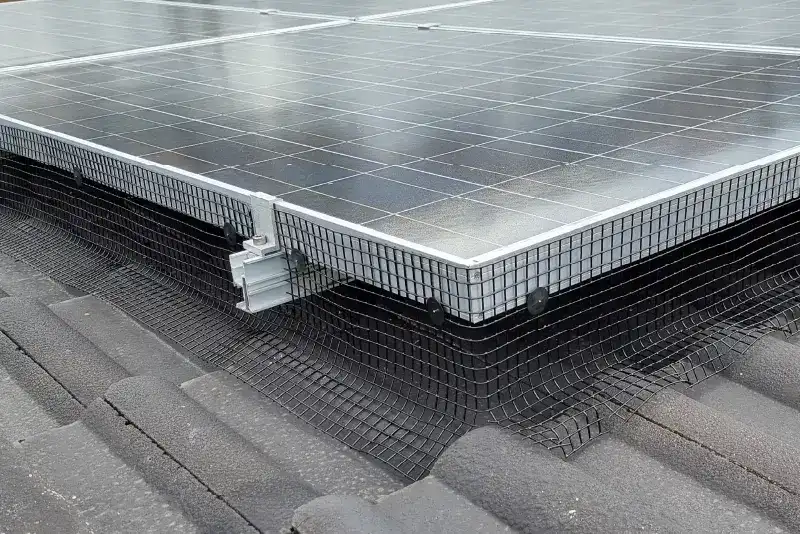
Birds often find safe space beneath solar panels. Small nests can lead to big problems over time. You might notice more noise or lower system output. Solar panel bird proofing helps stop these issues before they grow. Now let’s see how simple steps can protect your system and help it work well for many years.
Birds Below Panels Create Bigger Risks
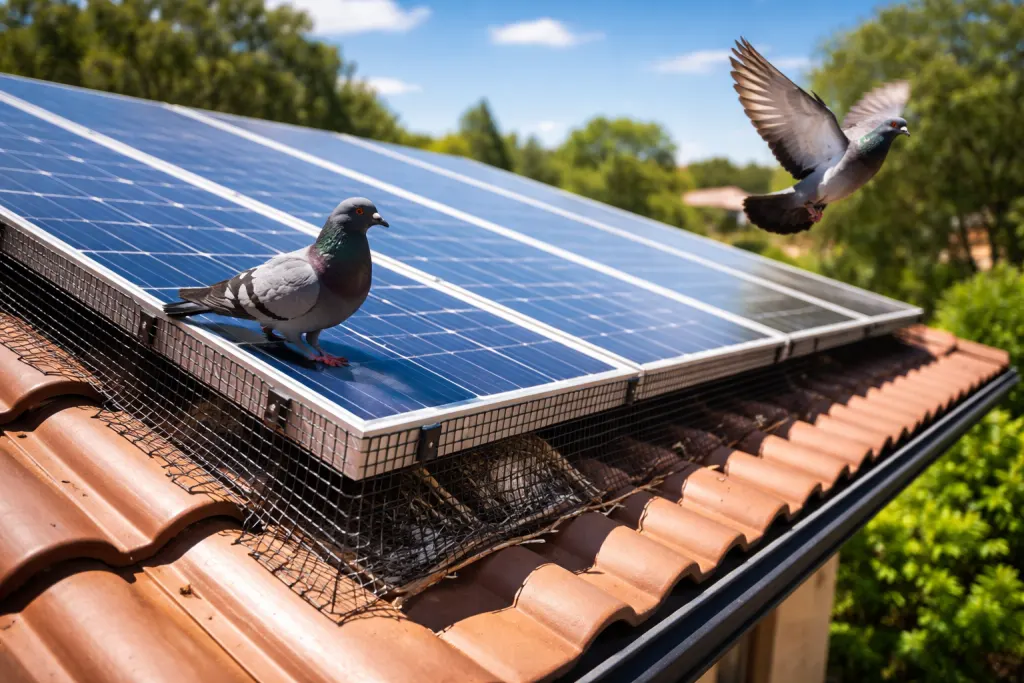
Many people enjoy the savings from solar power but miss what happens below the panels. Birds often slip into small gaps and build nests without being seen. Solar panel birdproofing helps stop this problem early. A proper solar panel bird protection system keeps birds away before they damage parts that are hard to inspect.
A family only called for help after hearing birds every morning. During the inspection, workers found dry nests blocking air flow and bird waste around cables. The repair cost was much higher than expected. Good roof bird management done at the right time could have prevented the damage and reduced future repair work.
Nesting Activity Changes System Performance
Bird nests can block the open space below solar panels. This slows air flow and traps heat around the system. Extra heat may reduce panel output over time. A strong bird barrier system helps keep this space clear. Many owners choose professional solar bird proofing to protect system parts before small issues become costly repairs.
One business owner noticed lower energy output during warm months. A service visit found twigs and feathers packed below several panels. The bird barrier system adds extra stress on wiring and nearby parts. After proper cleaning and a reliable bird shield was fitted, the system returned to normal performance and needed fewer maintenance visits.
Small Openings Invite Bigger Problems
Small gaps around solar panels may not seem important at first. Birds often use these spaces for shelter because they stay dry and safe. Solar panel bird proofing helps block these entry points before nests appear. Many people choose solar panel mesh installation after learning how quickly birds can settle beneath the panels.
One homeowner thought a few birds on the roof were harmless. Months later, an inspection found nests near cables and support brackets. Bird waste had also collected across the roof surface. A well-planned bird exclusion system protected the open edges and helped prevent further damage before repairs became more expensive.
Warning Signs You Should Never Ignore
Many warning signs appear long before serious damage begins. Strange sounds or repeated bird visits should not be ignored. A good solar panel guard works best when problems are found early. Regular checks help prevent hidden damage and reduce future repair costs.
- Birds gather on the same panels every day.
- Scratching or flapping sounds come from below the panels.
- Twigs, feathers, or nesting material appear on the roof.
- Bird waste builds up around the panel edges.
- Energy output drops without a clear reason.
- Loose wires or damaged cable covers become visible.
- Bad smells come from nesting areas.
- Water collects where nests block normal drainage.
- More insects appear near the roof because of old nests.
- Frequent bird activity returns after basic cleaning.
Bird Mesh Installation From Start To Finish
A well-fitted barrier keeps birds away without blocking normal panel use. Each step matters for safe and lasting results. A proper Solar Mesh Installation also helps reduce future cleaning and repair work. Regular solar panel cleaning after installation also helps maintain system efficiency by removing dirt and bird waste from the panel surface.
Inspect Panel Edges Before Installation
The solar mesh installation inspection of every solar mesh installation, checking for gaps, loose parts, and old nests before any work begins. Choose the right solar panel mesh installation method. One homeowner found hidden nesting material during this check, which prevented damage from getting worse.
Secure Mesh Without Damaging Frames
The mesh should stay firm without drilling into the panel frames. Most skilled workers use special clips that hold the barrier in place. A quality pigeon deterrent mesh stays secure while protecting the panel warranty. This method also allows normal air flow below the panels.
Verify Complete Perimeter Coverage
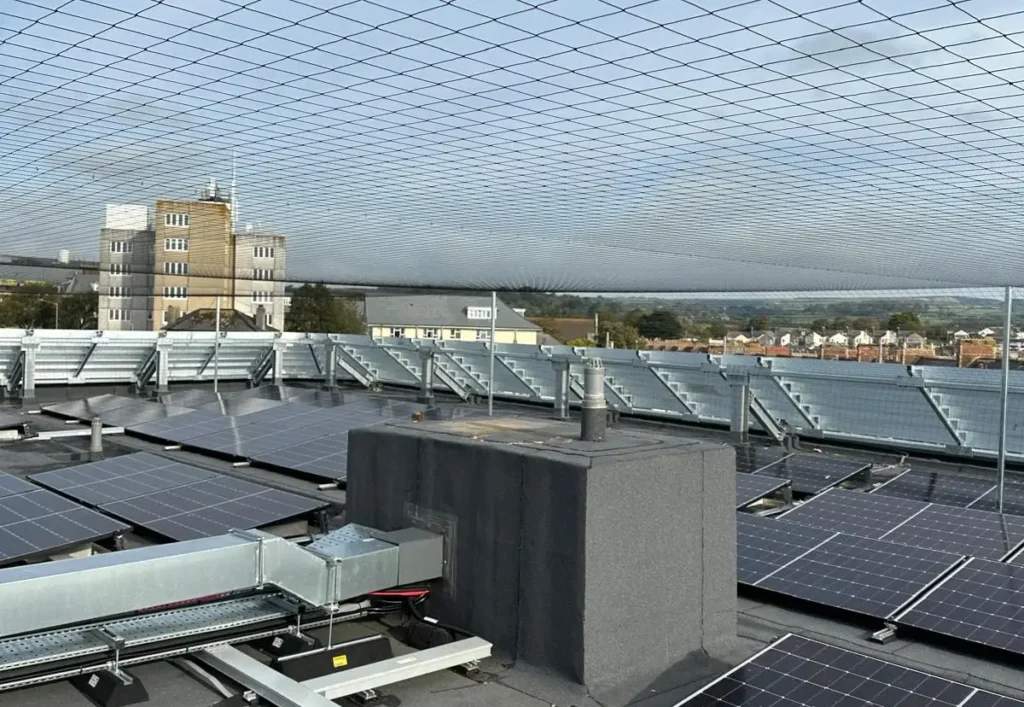
The final step checks every edge for open spaces. Even one small gap can allow birds to return. A careful inspection confirms the barrier fits the full panel area. One property owner needed a second visit because one corner was missed during the first installation. A complete check helped stop new nesting soon after.
Different Barrier Options For Every Roof
Every roof has a different shape and panel layout. The best solution depends on how birds reach the panels. Choosing the right Solar Panel Bird Proofing helps provide better long-term protection with fewer future repairs.
Stainless Steel Mesh Systems
Stainless steel mesh is a popular choice for long-term use. It resists rust and handles harsh weather well. This type of solar bird netting works best for homes with frequent bird activity. One owner stopped repeated nesting after replacing a worn plastic barrier with steel mesh.
Clip-On Barrier Solutions
Clip-on barriers attach without drilling into the panel frame. This helps protect the system while keeping the installation secure. Many people choose this option because it is neat and easy to remove if future panel work is needed. It also supports good air flow below the panels.
Custom Edge Protection Designs
Some roofs have unusual shapes or limited space around the panels. In these cases, custom edge barriers provide a better fit. A strong solar panel guard designed for the panel layout helps close small openings that standard products may leave behind. This gives more complete protection against nesting birds.
Delayed Protection Leads To Higher Repairs
Waiting too long to protect solar panels often leads to larger repair bills. Birds can damage wiring and leave waste that causes rust over time. Solar panel bird protection helps stop these problems before they spread. Many owners choose professional solar bird proofing because early action usually costs far less than major repairs.
A shop owner delayed bird control after seeing only a few birds on the roof. Months later, workers found damaged cable covers and heavy waste below several panels. The system needed cleaning and electrical repairs before it could perform well again. Proper panel proofing against pigeons installed earlier would have prevented most of those costs.
Wildlife That Commonly Hides Under Panels
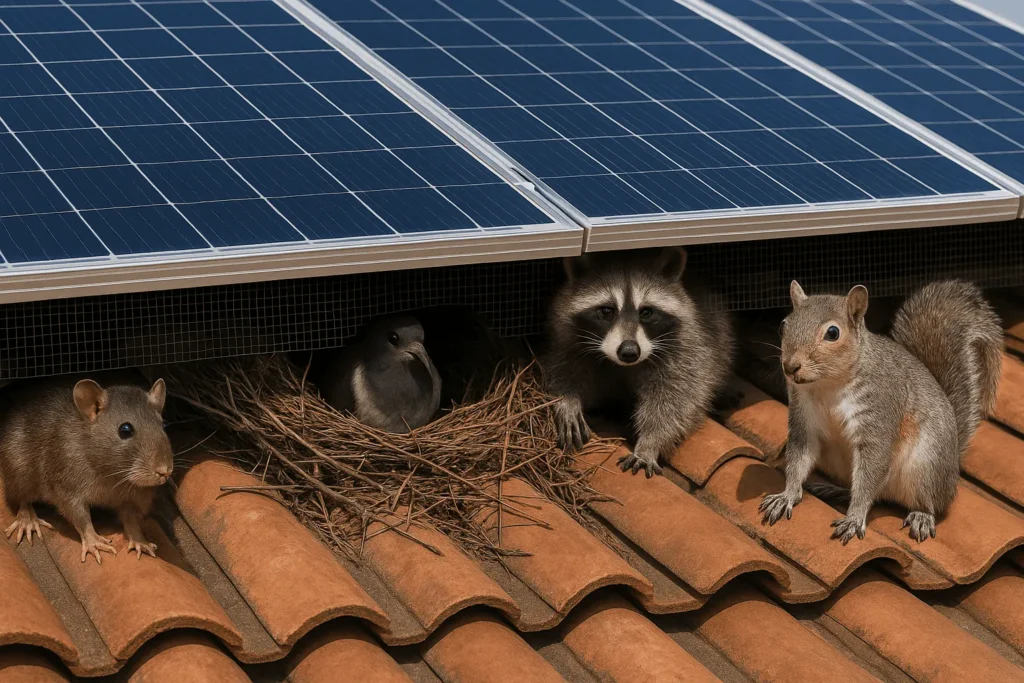
Solar panels create a dry and shaded space that attracts more than birds. Rodents, insects, and other small animals may also hide below the panels. Pest bird control helps reduce these risks before they spread. Installing a solar critter guard provides an additional barrier that helps prevent animals from reaching the space beneath the panels. Many owners focus on birds, but other pests can also damage cables, insulation, and roof areas.
A homeowner asked for help after hearing scratching sounds at night. The inspection found birds near one panel and rodents under another. Insects had also gathered around old nesting material. A complete wildlife control system with better solar panel bird proofing and solar array protection helped keep the area clean and reduced the chance of future damage.
Routine Checks Extend Barrier Lifespan
Regular inspections help keep bird barriers working as planned. Small issues are easier to fix before they become costly repairs. Solar panel bird protection lasts longer when the barrier stays clean and secure. Gutter guard installation can also help reduce leaves and debris around the roof, making bird barrier maintenance easier. Simple checks throughout the year help protect both the panels and the roof.
- Check the barrier every six months.
- Inspect after strong storms or heavy winds.
- Look for loose clips or damaged mesh.
- Remove leaves and other trapped debris.
- Check for fresh nesting material.
- Watch for birds returning to the same area.
- Inspect panel edges for new gaps.
- Look for signs of rust or wear.
- Confirm the solar panel guard stays firmly in place.
- Make sure the bird barrier covers the full panel edge.
- Schedule a professional inspection if damage is found.
- Keep a record of each maintenance visit.
Choosing The Right Protection Partner
The right installer does more than fit a barrier. Good workers inspect the roof, explain the process, and use safe methods. The best solar bird proofing starts with a team that values quality work. Some companies also provide window washing services, allowing homeowners to schedule multiple exterior maintenance tasks during the same visit. Ask about training, past projects, and product warranties before making a decision.
One property owner picked the lowest price without asking about the materials used. The barrier became loose within a year, and birds returned. Another owner chose a company with clear warranties and careful installation. Their residential solar birdproofing stayed secure and needed very little maintenance. Businesses can also benefit from reliable commercial solar bird proofing that protects larger systems over the long term.
Long-Term Protection Starts With Prevention
Birds can cause costly damage when they nest below solar panels. Small gaps often become larger problems if they are ignored. A trusted Superior Solar Cleaners solar panel birdproofing service helps protect wiring, supports, and roof areas before repairs are needed. Early care also keeps the system working well for longer.
Choosing professional solar bird proofing is a simple way to avoid future repair costs and reduce ongoing maintenance. If birds are already visiting your roof or signs of nesting have appeared, then now is a good time to arrange an inspection. Proper solar panel pigeon proofing gives lasting protection and greater peace of mind.
Common Questions Before Protecting Panels
Every roof has different conditions and bird activity. That is why many homeowners have questions before choosing a solution. Learning the basics helps you make better decisions and avoid future repairs. Good bird-proofing solar panel methods support lasting solar panel bird protection, while proper solar panel mesh installation keeps the system safe and reliable.
Pigeons are the most common birds found under solar panels because they prefer dry and sheltered spaces. Sparrows and starlings may also build nests if gaps are large enough. Early protection helps stop nesting before it becomes a bigger issue.
Yes. Most older solar systems can be fitted with protective barriers if the panels are in good condition. A professional inspection helps confirm the best installation method without affecting the existing system.
Yes. The mesh should be checked from time to time for loose clips, damaged sections, or trapped debris. Simple inspections help keep the barrier working well and reduce the chance of birds returning.
No. A properly fitted barrier blocks bird access while leaving enough space for normal air flow and water drainage. Correct installation helps protect the panels without reducing normal performance.
Look for broken mesh, loose clips, rust, or gaps around the panel edges. Birds returning to the same area can also mean the barrier no longer provides full protection. A professional inspection can confirm if replacement is needed.
Bird proofing can be installed at any time of the year. Many people prefer to do it before birds begin nesting because prevention is easier than removing active nests later.