
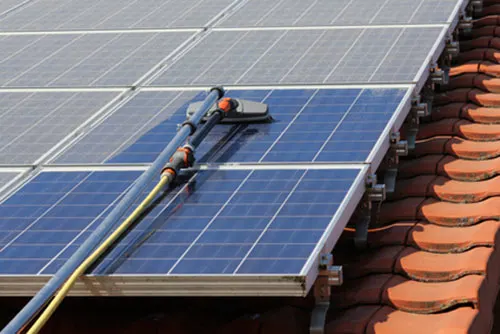
Dust, pollen, bird droppings, and seasonal debris can gradually reduce the amount of sunlight reaching your panels. Regular solar panel cleaning helps restore peak performance, improve energy production, and protect your investment. This guide explains when cleaning is needed, how it affects efficiency, practical maintenance tips, and the best ways to keep residential and commercial solar systems operating reliably throughout the year.
How Seasonal Dirt Reduces Solar Performance
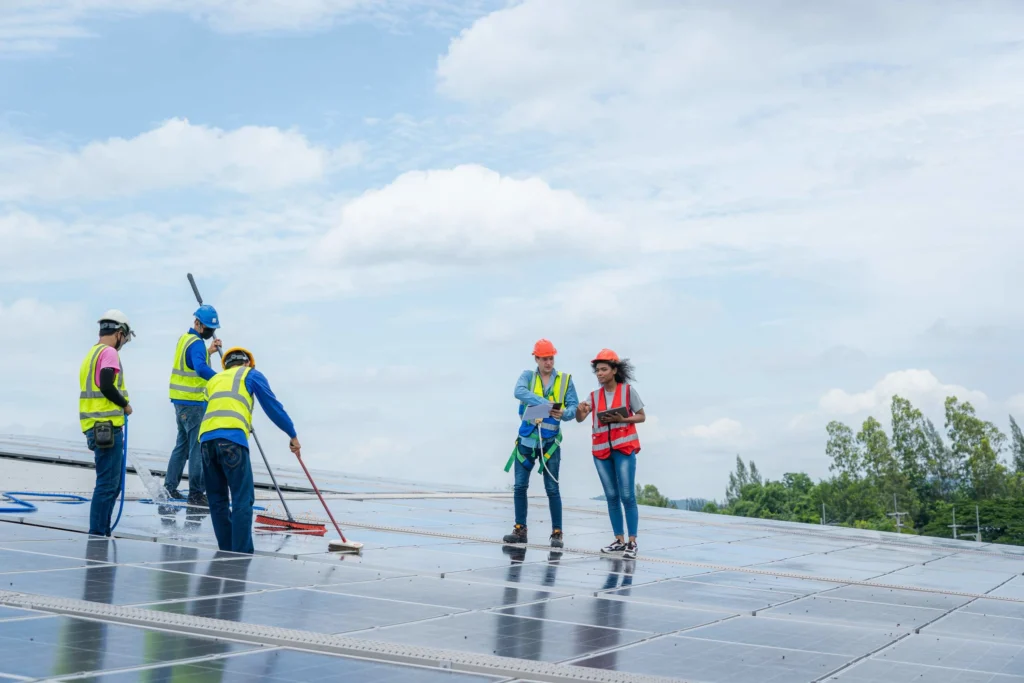
A solar energy system can lose valuable power without showing any obvious warning signs. Dust, pollen, bird droppings, fallen leaves, and airborne pollution gradually settle on the glass surface, limiting the amount of sunlight reaching the cells beneath. Many homeowners assume lower electricity production is caused by changing weather, when the real issue is often neglected solar panel cleaning. Even a thin layer of buildup can reduce energy generation and affect monthly savings if left untreated for long periods.
Seasonal conditions create different challenges throughout the year. Spring pollen forms a light coating, summer dust settles during dry weather, autumn leaves collect around roof-mounted systems, and winter debris can trap moisture against the panels. A homeowner comparing utility bills after cleaning may notice production returning closer to expected levels without making any equipment changes. Consistent solar panel care, combined with regular inspections, helps preserve solar panel efficiency, protects the system from long-term contamination, and keeps renewable energy performing reliably in every season.
Every season brings new cleaning challenges
Each season exposes solar panels to different environmental conditions that affect their performance. Understanding these seasonal changes helps property owners plan maintenance at the right time instead of waiting for energy production to decline. A consistent routine keeps the system operating efficiently throughout the year.
Spring Pollen And Airborne Dust
Spring often brings heavy pollen, fine dust, and tree debris that gradually coat solar panels. Although the buildup may appear minor, it can reduce the amount of sunlight reaching the solar cells. Homes surrounded by flowering trees or open fields usually experience faster accumulation than urban properties. Scheduling solar panel maintenance after peak pollen season helps restore performance before summer’s highest energy demand arrives.
Winter Debris And Moisture Risks
Winter introduces different challenges, including wet leaves, melting snow residue, moisture, and dirt carried by storms. These materials can collect around panel edges and create stubborn deposits that affect long-term performance. A homeowner may notice reduced energy output after several winter storms, even when the panels appear mostly clear from the ground. Routine roof solar panel cleaning, followed by a professional solar panel service, helps remove seasonal debris, protect the system from moisture-related issues, and prepare the panels for stronger sunlight during the warmer months.
Signs Your Panels Need Cleaning Soon
Solar panels usually show small warning signs before dirt buildup begins affecting performance. Paying attention to these changes allows homeowners to schedule maintenance at the right time, helping preserve energy production and avoid unnecessary efficiency losses.
Lower energy production
A noticeable drop in electricity generation without changes in weather or usage may indicate reduced solar panel efficiency caused by surface buildup.
Visible dirt or debris
Dust, pollen, bird droppings, leaves, or tree sap covering the panels are clear signs that cleaning is needed.
Higher electricity bills
If utility costs increase while your energy habits remain the same, dirty panels could be producing less power than expected.
Uneven panel appearance
Some panels may appear cleaner than others, creating inconsistent energy output across the system.
Water stains or residue
Mineral deposits left behind after rainfall or sprinkler overspray can gradually block sunlight if not removed.
Shaded sections from organic buildup
Leaves, pine needles, or accumulated debris around panel edges can reduce overall system performance.
It’s been a long time since the last inspection
Scheduling a solar panel inspection after extended periods without maintenance helps identify dirt, damage, or other issues before they worsen.
Reduced performance during sunny days
Bright weather should support strong energy production. If output remains low, proper solar panel care may be needed to restore optimal performance.
Cleaning Habits That Deliver Better Output
Consistent maintenance is more effective than waiting until heavy dirt becomes visible. A simple routine helps keep solar panels operating efficiently while reducing unnecessary wear. Tracking performance and cleaning at the right intervals supports reliable energy production throughout the year.
Build A Practical Cleaning Schedule
The ideal cleaning schedule depends on your local environment, weather patterns, and nearby trees or construction activity. Homes in dusty areas may require more frequent solar panel maintenance than properties in cleaner surroundings. A homeowner living near farmland, for instance, may notice faster dust accumulation during harvest season and benefit from more regular servicing. Scheduling professional solar panel cleaning once or twice a year, along with additional cleanings when needed, helps maintain consistent system performance.
Track Energy Production Changes
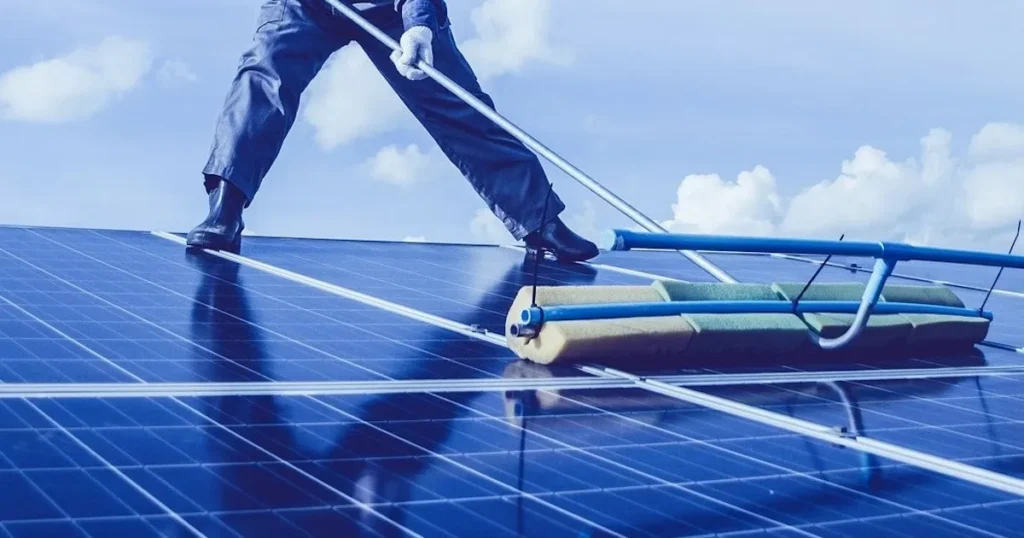
Monitoring your solar system’s energy output makes it easier to recognize when maintenance is needed. Most modern systems provide production data through monitoring apps or display panels, allowing homeowners to compare current performance with previous months. If electricity generation drops without significant weather changes, arranging a solar panel cleaning service can often restore efficiency before dirt buildup causes long-term performance losses. Regular monitoring also helps identify developing issues that may require professional inspection.
Safe Methods That Protect Solar Panels
The right cleaning method keeps panels working well and helps avoid damage. Many people think any cleaning tool will work. That is not true. Safe care protects the glass and keeps the system working for many years.
Soft Washing Works Best
Soft washing is the safest choice for most homes. It uses clean water and gentle tools to lift dirt from the surface. This method supports solar panel washing without putting stress on the glass or frame. It also leaves fewer marks after cleaning.
Avoid High-Pressure Equipment
High-pressure water can force water into seals and small gaps. It may also damage the panel surface over time. A gentle rinse is much safer and gives better results for most rooftop systems. Less force often means less risk.
Use The Right Cleaning Tools
A soft brush and a clean cloth help remove dust and light dirt. Use plain water unless the maker suggests another product. Good tools support solar panel protection and lower the chance of scratches during each cleaning.
Stay safe on the roof.
Roof work always needs care. Wet panels and steep roofs can become slippery very fast. If the panels are hard to reach, you should choose roof solar cleaning by trained workers. This helps protect both your safety and the solar system.
Professional Cleaning Versus DIY Results
Many homeowners wonder if cleaning solar panels themselves is enough. The answer depends on the roof height, panel condition, and the amount of dirt. Homeowners often combine professional window washing services with solar panel maintenance because both improve the appearance and performance of the property. The comparison below shows when doing it yourself works and when professional help offers better value.
| Feature | DIY Cleaning | Professional Solar Panel Cleaning |
| Safety | Safe only for easy access panels | Trained crews use proper safety methods |
| Cleaning Quality | Removes light dirt and dust | Deep cleaning removes stubborn buildup |
| Equipment | Basic household tools | Specialized tools made for solar panels |
| Inspection | Limited visual check | Full system review during cleaning |
| Time Required | Takes longer for most homeowners | Faster and more efficient service |
| Best For | Small ground-level systems | Large homes and commercial solar panel cleaning projects |
| Long-Term Care | Depends on homeowner routine | Scheduled residential solar panel cleaning service helps maintain consistent performance |
| Overall Value | Lower upfront cost | Better results with reduced risk and dependable maintenance |
Easy Steps For Better Solar Maintenance
Small maintenance habits can make a big difference in how well your solar system performs. Following a simple routine helps keep panels clean and allows small issues to be found before they affect energy production. Installing solar bird netting around the array can also help reduce bird nesting and limit debris buildup. A few careful checks before and after cleaning can improve long-term reliability.
Inspect Before Every Cleaning Session
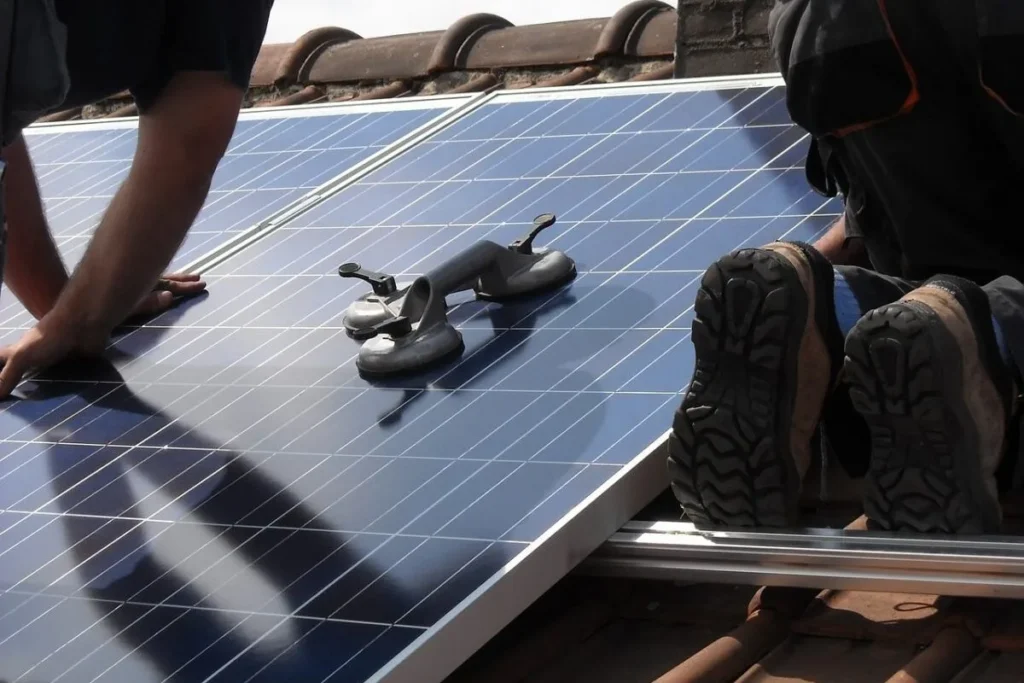
Begin with a careful solar panel inspection from a safe location. Look for cracked glass, loose mounting brackets, bird nests, heavy dirt, or branches covering the panels. A homeowner trimming nearby trees may notice leaves collecting along one side of the array, making that section produce less electricity. Finding these issues before cleaning helps prevent accidental damage and ensures the work is completed safely.
Clean Using Safe Methods
Remove loose debris first, then rinse the panels with clean water and use a soft brush or sponge to clear remaining dirt. Avoid abrasive tools and harsh chemicals that may damage protective coatings. Gentle cleaning helps preserve panel surfaces while supporting reliable energy production.
Check The Area Around The Panels
After cleaning, inspect nearby gutters, roof edges, and drainage paths. Leaves or debris trapped around the panels can hold moisture and cause dirt to build up more quickly. Gutter guard installation can help reduce leaf accumulation around the roof and support regular solar panel care by keeping surrounding drainage areas cleaner.
Finish With Performance Verification
Once the panels are clean, review your system’s energy production through the monitoring app or display. Compare recent output with previous sunny days to confirm performance has improved. If production remains unusually low after cleaning, scheduling a professional solar panel service can help identify hidden issues that require further attention.
Understanding Service Costs And Value
The solar panel cleaning cost guide depends on several factors, including the number of panels, roof height, system access, and the amount of dirt that must be removed. Residential systems are usually less expensive to clean than large commercial installations because they require less time and equipment. Choosing affordable solar panel cleaning helps homeowners protect energy production without creating unnecessary maintenance costs.
A family with twelve rooftop panels may only need a routine visit after pollen season, while a business with a large solar array could require scheduled cleanings several times each year due to dust and pollution. Working with the best solar panel cleaning company provides trained technicians, safe cleaning methods, and consistent results that help maintain energy output. Over time, regular professional service can reduce performance losses and support greater savings on electricity bills.
Mistakes That Shorten Panel Lifespan
Small cleaning mistakes can lead to lower energy output and costly damage over time. Using the right method is just as important as cleaning the panels themselves. Installing a solar critter guard can also help prevent animals from nesting beneath the panels, reducing debris and protecting system components. A careful routine helps protect the system and keeps it working as expected.
Cleaning Tools To Avoid
Hard brushes, steel wool, sharp scrapers, and strong chemicals can scratch the glass or damage the protective coating. These marks reduce light absorption and may affect long-term performance. Safe solar panel washing uses soft brushes, non-abrasive cloths, and clean water whenever possible. A homeowner who uses a pressure washer on rooftop panels may unknowingly damage seals and create future repair needs.
Maintenance Timing Errors
Cleaning panels during the hottest part of the day can cause water to dry too quickly and leave mineral spots behind. It is also safer to avoid cleaning during strong winds or wet weather. Early morning or late afternoon usually provides better conditions for solar panel care. Following the recommended cleaning schedule also supports solar panel protection and helps maintain manufacturer warranty coverage.
Keeping Solar Systems Performing Longer
Clean solar panels produce more reliable energy and help protect the value of your investment over time. Regular maintenance reduces dirt buildup, supports consistent power generation, and allows small issues to be found before they become expensive repairs. Superior Solar Cleaners recommends a simple care routine that can make a noticeable difference throughout every season.
If your system has not been cleaned or inspected recently, now is a good time to schedule a solar panel cleaning service. A homeowner who noticed lower energy production after months without maintenance often sees improved output once dirt and debris are removed. Whether you need routine solar panel service or same-day solar panel cleaning after heavy storms, timely professional care helps keep your system operating safely, efficiently, and reliably for years to come.
More Answers Before You Schedule Cleaning
Every solar system operates in a different environment, so maintenance needs can vary from one property to another. Local weather, nearby trees, roof design, and air quality all influence how often panels should be cleaned and inspected. The following questions address additional concerns that homeowners frequently have before arranging professional maintenance and help support confident, informed decisions.
Rain can rinse away loose dust, but it usually cannot remove bird droppings, pollen, tree sap, or stubborn dirt. Regular cleaning is still important for consistent energy production.
Spring and fall often require more attention because of pollen, leaves, and seasonal debris. Dry summer conditions may also increase dust buildup in some locations.
Yes. Reduced sunlight absorption lowers electricity production over time, which can decrease energy savings and extend the time needed to recover installation costs.
Yes. A visual inspection helps identify cracked glass, loose hardware, damaged wiring, or other issues that should be addressed before cleaning begins.
Soft brushes, microfiber cloths, and clean water are generally the safest choices. Abrasive tools and high-pressure equipment should be avoided to prevent damage.